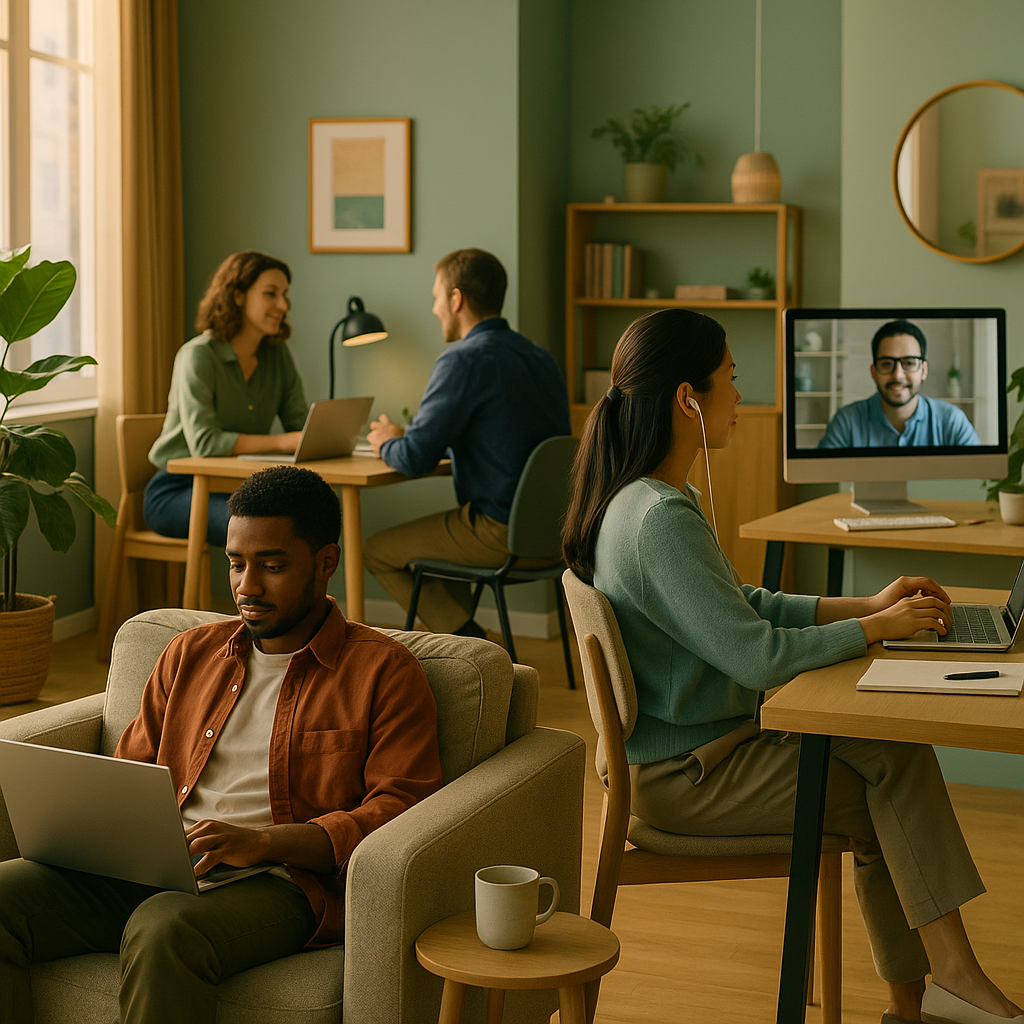

In today’s fast-evolving labor market, workplace flexibility has transitioned from a trendy perk to a core expectation for both employees and employers. Once seen as a special accommodation, flexibility is now recognized as a strategic advantage, integral to attracting talent, retaining high performers, and building resilient organizations. But what exactly is workplace flexibility, and how does it benefit both sides of the employment relationship? This in-depth exploration will define the concept, illustrate its many forms, outline the benefits, compare flexible and traditional work environments, and show why flexibility is not just nice to have: it is a must-have in the modern workplace.
Workplace flexibility refers to choices in how, when, and where work gets done. This can include a variety of arrangements such as flexible schedules, remote work options, compressed workweeks, job sharing, and adaptable work processes. The key is that both employees and employers collaborate to create solutions that meet business needs while supporting individual well-being and productivity. At its core, workplace flexibility is about empowering employees to balance their professional and personal lives without sacrificing performance. For employers, it’s about optimizing operations, attracting top talent, and fostering a culture of trust and innovation.
Workplace flexibility comes in many forms, and the right mix depends on your organization’s needs and workforce. Here are some of the most common types of flexible work arrangements:
Employees choose their own start and end times within set limits. For example, they might begin their day anytime between 7 a.m. and 10 a.m. and complete the required work hours accordingly. This approach supports work-life balance and helps employees manage personal commitments without reducing productivity.
This model allows employees to work longer hours on fewer days. For instance, instead of a traditional five-day, eight-hour schedule, an employee could work four 10-hour days and enjoy a three-day weekend. It is a popular choice for organizations focused on improving employee wellness and reducing burnout.ys).
Employees perform their duties from home or another location, either part-time or full-time. Remote work has become a key factor in modern workplace wellness and employee retention. It reduces commuting stress, provides flexibility, and supports diverse hiring across different regions.
A hybrid setup combines remote and in-office work. Employees can divide their time between home and the workplace depending on project needs or personal preferences. This model offers flexibility while maintaining team collaboration and company culture.
In job sharing, two employees share the duties and responsibilities of one full-time position. It helps individuals who prefer part-time work or have family obligations remain active in the workforce. Job sharing can also enhance creativity and problem-solving as two people contribute to the same role.
Additional scheduling approaches can complement these models. For instance, Shift Swapping/Self-Scheduling: employees trade shifts or set their own schedules, a practice especially common in healthcare and retail where coverage needs vary.
For employees, flexible work arrangements provide greater control over work-life balance, reduce stress, lower commuting costs, and offer more opportunities to care for dependents or pursue personal interests. When employees can work when they’re most productive and reduce distractions, the result is greater job satisfaction, improved health, and increased loyalty. For organizations, workplace flexibility is a powerful tool for recruitment and retention. It broadens the talent pool by making opportunities accessible to people who may face geographic, economic, or family constraints. Flexibility also helps reduce absenteeism, lower turnover, and boost productivity. By supporting a diverse, engaged workforce, flexibility drives innovation and helps organizations become employers of choice in competitive markets.
A flexible workplace environment is a win-win, delivering measurable benefits across several dimensions. Employees enjoy an enhanced work-life balance, as flexible schedules allow them to manage personal responsibilities like childcare, eldercare, or medical appointments without sacrificing career growth. This autonomy reduces stress and burnout by eliminating rush-hour commutes and allowing work in quieter environments. The opportunity for more exercise, healthy eating, and rest contributes to better physical and mental health, leading to greater job satisfaction. Furthermore, working from home can lead to significant savings on transportation and meals, reinforcing their commitment to their employer.
Flexible work arrangements bring powerful advantages for employers. Beyond improving employee satisfaction, they contribute to measurable business outcomes such as higher productivity, lower costs, and stronger brand reputation. By designing work around results and employee strengths, organizations can grow more efficiently and build long-term loyalty among their teams.
When employees are allowed to work at the time and place that suits them best, their output improves. Some people focus better early in the morning, while others are more productive in the evening or from a quiet home office. This flexibility leads to better performance, fewer distractions, and a stronger sense of ownership over results.
Flexibility is one of the most effective ways to retain valuable employees. When people feel trusted to manage their time and workload, they are more likely to stay with the company. Reduced turnover also means lower recruitment costs and less disruption to ongoing projects.
Offering remote or hybrid options removes geographical limits. Employers can hire skilled professionals from different provinces or even across Canada, creating a diverse and capable workforce. This approach is especially valuable for companies competing for specialized talent in a tight labor market.
Flexible work often reduces the need for large office spaces and other operational costs. Fewer employees commuting or working on-site can lead to savings on rent, utilities, and supplies. Additionally, lower absenteeism and higher engagement translate into better overall efficiency.
In today’s competitive environment, flexibility is no longer a perk but a strategic advantage. Employers that adopt it create workplaces where people are motivated, productive, and committed to long-term success.
Flexible and traditional workplaces differ in philosophy, structure, and outcomes. Flexible workplaces prioritize employee autonomy, trust, and outcomes over rigid schedules or locations. They rely on clear communication, digital tools, and results-driven management, leading to higher engagement and stronger loyalty. Traditional workplaces, in contrast, emphasize set hours and physical presence. While this may offer face-to-face collaboration, it can lead to burnout and narrowed talent pools. The most forward-thinking organizations blend the best of both worlds, offering flexibility while maintaining opportunities for in-person connection, defining the future of flexibility.
Workplace flexibility directly enhances employees’ quality of life. By allowing individuals to align work with their natural rhythms and personal obligations, flexibility reduces stress, increases job satisfaction, and improves health outcomes. Employees gain more time for family, hobbies, and self-care, all of which contribute to sustained performance and loyalty. The ability to live where you want and design a schedule that fits your life are tangible employee flexibility benefits that resonate across generations.
From a business perspective, flexibility is a strategic lever for growth. Companies that embrace a flexible work environment report lower turnover, higher productivity, and improved customer satisfaction. The financial impact can be significant, as seen with companies that save millions in turnover costs and achieve higher customer retention rates after implementing flexible policies. Flexibility also supports business continuity, as teams equipped to work remotely can maintain operations during disruptions. Furthermore, flexible practices help organizations stay ahead of labor market trends, positioning them as employers of choice in a competitive landscape.
Workplace flexibility is a global trend, with North American employers at the forefront. Companies in major cities across the United States and Canada are leveraging flexible policies to remain competitive and attract diverse talent. The legal landscape continues to evolve, with more regions recognizing the value of remote work and hybrid models. This impact of flexible work is a testament to its growing importance in supporting a geographically dispersed and diverse workforce.
Successful implementation of workplace flexibility requires thoughtful planning and clear communication. Employers should assess which roles can benefit from flexibility, develop clear policies, invest in reliable technology, and train managers to lead remote teams effectively. Soliciting employee feedback is also crucial for refining policies. For platforms like GoKlaim, which supports comprehensive employee benefits, workplace flexibility can be a core part of the value proposition, helping employers design and manage programs that attract and retain top talent.
Workplace flexibility is more than a modern work trend. It reflects a shift toward trust, collaboration, and shared growth between employers and employees. Flexible arrangements allow people to perform at their best while maintaining a healthy work-life balance. For organizations, it encourages engagement, creativity, and cost efficiency. Companies that adopt flexibility are not only meeting current workforce expectations but are also preparing for a more sustainable and inclusive future of work.
When businesses support flexibility, they support people, and that is what drives long-term success.
Ready to create a more flexible and people-focused workplace?
Explore how GoKlaim helps employers design customized employee benefit programs that promote wellness, retention, and productivity.
Workplace flexibility means giving employees choices in how, when, and where they work, such as through flexible schedules, remote work, or job sharing.
Flexibility boosts employee well-being, increases productivity, and helps employers attract and retain top talent in a competitive market.
Common examples include flextime, compressed workweeks, remote work, hybrid schedules, job sharing, and shift swapping.
The benefits of a flexible workforce include improved work-life balance, reduced stress, and greater job satisfaction for employees, while employers benefit from higher productivity and lower turnover.
Employees enjoy less stress, more time for personal activities, and greater control over their schedules, leading to higher job satisfaction and well-being.
Businesses see improved productivity, lower turnover, cost savings, and a stronger employer brand, making them more competitive.
Yes, employees who can work when and where they are most productive often deliver better results and show higher levels of engagement.
Start by creating supportive policies, providing the necessary technology, and fostering a culture of trust and accountability.
Absolutely. Flexible arrangements are known to reduce stress, support mental health, and help employees achieve a healthier work-life balance.
Yes, organizations known for their flexible policies attract a wider, more diverse pool of candidates, including top performers from various geographic locations.