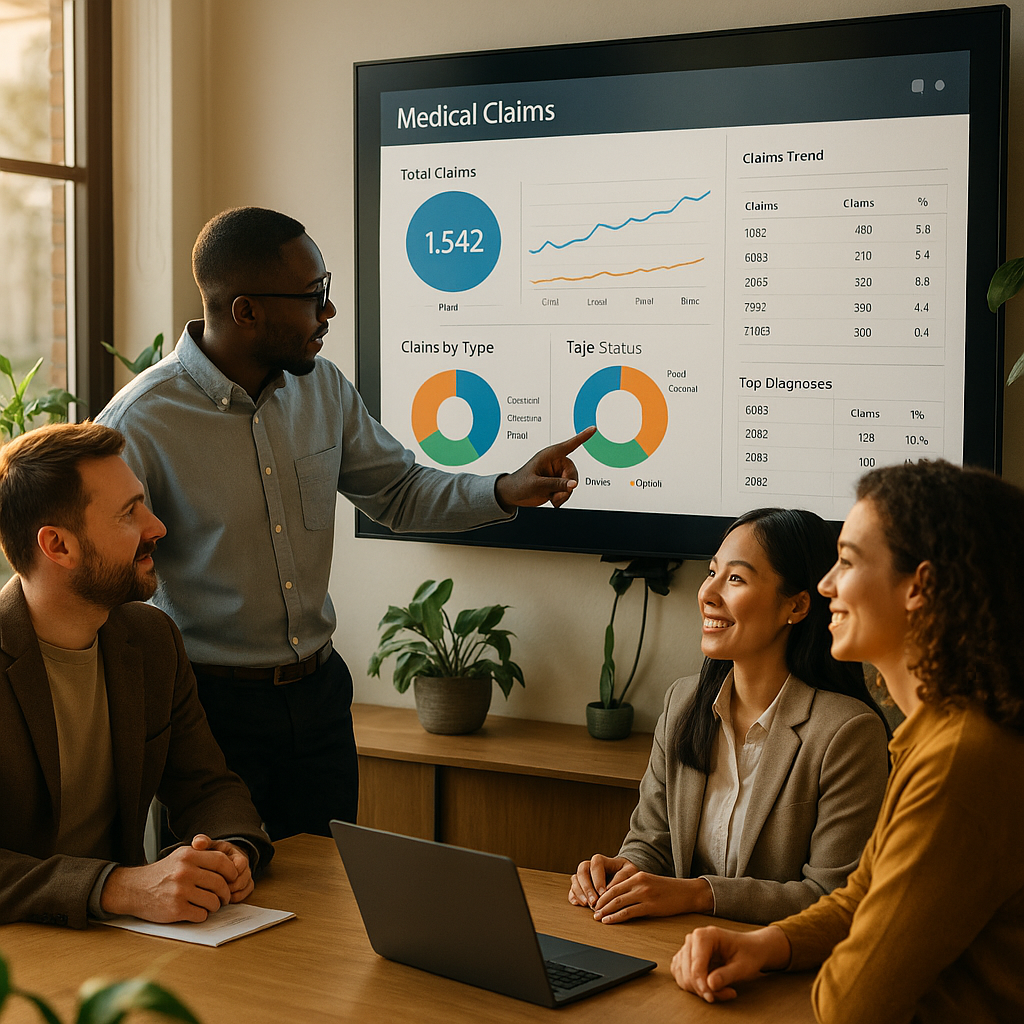

As HR leaders and business executives grapple with seismic shifts in the global workforce, understanding the future of work is no longer optional: it's imperative. The landscape is being reshaped by dynamic technological innovations and evolving employee expectations, demanding a proactive and strategic approach from leadership. The work of the future will undoubtedly prioritize adaptability, digital fluency, meaningful work experiences, and the cultivation of resilient organizational cultures. This 2025 trends guide is designed to unpack the key forces shaping the future of jobs, offering actionable insights for leaders determined to future-proof their talent strategy and ensure long-term organizational effectiveness.
The future workforce will be characterized by the seamless integration of humans and technology, with a strong emphasis on enhancing productivity, personalization, and trust. HR teams are increasingly shifting toward a human-centric productivity model, leveraging AI, smarter assessments, and intentional work design to unlock greater value for every stakeholder. Organizations that successfully cultivate digital-first cultures empower their employees to thrive amidst constant disruption. This involves equipping every worker with essential digital skills, encouraging continuous feedback, fostering individualized career journeys, and prioritizing fair pay and robust inclusion to anchor all efforts in trust and equity. As we move through 2025, the focus is shifting from experimental digital initiatives to realizing their full benefits. HR must tirelessly work to balance rapid acceleration with the creation of meaningful human experiences. The companies that listen to emerging signals, act boldly, and commit to lasting adaptation are the ones that will ultimately define success in the work in the future.
Multiple forces are converging to redefine how people create value, how teams organize, and how HR delivers impact. The following trends highlight where leaders should double down to stay ahead of disruption.
Artificial Intelligence is rapidly reshaping the job landscape by automating repetitive tasks while simultaneously creating new opportunities for innovation and strategic thinking. Instead of fearing displacement, HR leaders are encouraged to leverage AI for enhanced productivity, deep customization, and more intuitive employee experiences. AI platforms are becoming increasingly integrated into core HR processes, streamlining talent management, breaking down organizational silos, and fostering cross-functional teamwork. The insights driven by AI help HR identify critical workforce trends, predict future needs, and optimize both individual and organizational outcomes. As human-machine collaborations deepen, the working future hinges on using technology as a tool for empowerment, not just a means for efficiency.
The hybrid work model, which blends remote work with in-office collaboration, has firmly established itself as the dominant paradigm of the future of workplace technology. Today's employees demand flexibility, autonomy, and purposeful connection. Hybrid arrangements enable organizations to tap into wider talent pools, reduce overhead costs, and create more personalized work experiences. A successful hybrid strategy, however, depends on clear guidelines, robust digital tools, and strong, equitable support for both remote and in-office workers. This shift is not merely logistical; it is deeply cultural, requiring a foundation built on shared values, trust, and transparency. As remote work becomes increasingly normalized worldwide, agile HR policies and comprehensive digital transformation platforms are essential for maintaining high levels of productivity and engagement.
The employee experience future is fundamentally built on providing meaningful work, prioritizing wellbeing, and fostering a true sense of belonging. In 2025, organizations must elevate their focus on health, psychological safety, and holistic benefits. This includes embracing innovative approaches to wellness programs, expanding mental health support, and implementing proactive strategies to address burnout and build resilience across the workforce. Progressive HR leaders are moving beyond traditional compensation structures to integrate lifestyle incentives like flexible hours, comprehensive employee benefits, and performance rewards that celebrate both team and company achievements. It's clear that wellbeing is not just a perk: it is an essential driver of retention, engagement, and sustainable productivity.
To translate vision into outcomes, HR must pair modern platforms with new operating rhythms that put people at the center while scaling impact through data and automation.
The future of workplace technology extends far beyond simply automating routine tasks. Digital transformation platforms are now powerful enough to enable deeper insights, facilitate real-time collaboration, and deliver customization at an unprecedented scale. Tools from providers like GoKlaim, Workday, and Microsoft are creating unified environments where HR can manage everything from talent acquisition to continuous learning. Automation and machine learning empower HR to predict workforce needs, streamline performance management, enable adaptive learning journeys, and enhance benefits administration and compliance. As workplaces become more networked and data-driven, the primary challenge is to ensure that technology serves the broader purpose of human empowerment. With transactional processes increasingly outsourced, HR can finally focus on strategic planning, culture, and elevating the overall employee experience.
Traditional HR functions such as recruitment, learning, and rewards are steadily giving way to multidisciplinary teams laser-focused on solving holistic business challenges. Agile pods are now being formed to tackle complex issues like onboarding, retention, leadership development, and workforce innovation. These teams leverage shared platforms and continuous feedback loops to design and deliver cohesive and impactful employee experiences. This strategic move toward fluid, cross-functional capability networks translates into faster decision-making, more personalized solutions, and stronger alignment with overarching business priorities. In organizations that are embracing AI, this structural shift is propelling HR into a new realm of speed, innovation, and real-time relevance, solidifying its role as a strategic partner in the business.
Future-ready organizations invest in the capabilities, systems, and culture that allow them to adapt faster than the market. The following priorities help HR lead with clarity and confidence.
To sustain momentum through 2025, HR teams should focus on a concise set of initiatives that compound impact across talent, culture, and performance.
Executing these priorities requires tight alignment between leadership and HR, disciplined change management, and transparent communication that empowers employees at every level.
In the workplace of 2025, diversity is no longer a matter of compliance; it is the core engine of innovation and resilience. HR leaders must champion genuine inclusion, ensure fair pay, and create equitable opportunities at every level of the workforce. This commitment extends to facilitating cross-border mobility, managing international assignments, and intentionally cultivating diverse global perspectives to enrich the organization. Ultimately, strong company cultures rooted in trust and transparency will be the key differentiator in engaging and retaining top talent. As significant demographic shifts and rapid technological advances continue to drive transformation, inclusive leadership stands as the keystone for building future-ready organizations that can weather any storm.
HR technology in Canada and North America is evolving at a breakneck pace, with a significant emphasis on workplace innovation and digital transformation. Employee benefits trends reflect a clear move toward comprehensive wellness programs, flexible work arrangements, and integrated rewards platforms. Companies of all sizes are leveraging hybrid work models to globalize their talent strategies and offer flexible benefits like Health Spending Accounts (HSAs) and Workplace Spending Accounts (WSAs), tailored to specific regulatory environments and workforce needs. Meanwhile, Europe’s future of work is characterized by strong regulatory frameworks, robust employee protections, and increased investment in automation. Asian organizations are at the forefront of pioneering cross-functional talent exchanges and networked HR models, with mobility and international assignments gaining importance for fostering cultural exposure and workforce agility. In the USA, remote work trends highlight a steep rise in demand for flexible, high-performance digital platforms that help HR leaders streamline benefits administration, compliance, and personalized employee experiences.
The future of work diverges from today's workplace through its relentless pace of digital transformation, expanded flexibility via hybrid and remote models, and deep personalization. Unlike in the past, the coming years will place the employee experience, wellbeing, and choice at the forefront of strategy, all supported by AI and seamlessly integrated platforms. Traditional office structures are giving way to networked organizations, cross-functional teams, and even gig-based models where individuals have greater power to shape their own career paths. Hybrid workplaces, in particular, deliver the flexibility, autonomy, and wellbeing demanded by the modern worker while still preserving crucial opportunities for in-person collaboration and team building. Although they require robust digital infrastructure and strong communication, the benefits include reduced commuting, improved work-life balance, and adaptive schedules, empowering both individuals and organizations to operate more efficiently.
Preparation should be practical and iterative, blending capability building with thoughtful policy design so teams can scale what works and quickly retire what doesn’t.
Evaluate your current technology infrastructure, workflow automation, and data management practices. Understanding where your organization stands will help identify gaps and opportunities for digital advancement. This step ensures teams are equipped to leverage new tools that enhance collaboration, productivity, and efficiency.
The future workplace demands continuous learning. Organizations should offer training in emerging technologies, leadership development, and soft skills like adaptability and communication. Investing in employees’ growth ensures they remain relevant, engaged, and confident in evolving roles.
Traditional performance reviews may not reflect the collaborative nature of modern work. Instead, focus on outcome-based evaluations, peer feedback, and team achievements. This shift promotes accountability, innovation, and a stronger sense of shared purpose.
Employees increasingly value flexibility and personalization in their benefits. Introduce digital platforms that allow individuals to choose the benefits that best suit their needs, whether it is mental health support, financial wellness tools, or flexible leave options. This not only improves satisfaction but also reinforces trust and inclusivity.
The future of work is human-centered. Promote physical, mental, and emotional wellness by offering comprehensive programs, mental health resources, and initiatives that encourage work-life balance. A healthy and supported workforce drives long-term success.
Round out these steps by fostering a culture of trust, transparency, and inclusion, and by piloting hybrid and remote work policies aligned with business needs—measuring outcomes and iterating based on employee feedback.
The future of jobs brings both immense opportunities and significant challenges, placing a premium on agility, empathy, and innovation. HR leaders who embrace digital transformation, champion hybrid work, invest in employee wellbeing, and foster resilient company cultures will position their organizations for sustained success. The future workforce is one that is empowered by technology, enriched by personalized experiences, and guided by inclusive values. These are the pillars that will define the workplace of the future in 2025 and beyond. Platforms like GoKlaim are central to this transformation, helping HR leaders navigate emerging benefit trends, ensure compliance, and implement integrated talent solutions that drive measurable business results.
The future of work refers to a dynamic, technology-supported ecosystem that prioritizes flexible work models, digital fluency, and highly personalized employee experiences to drive engagement and productivity.
AI will automate repetitive and routine tasks, which enables data-driven decision-making and creates new opportunities for employees to focus on creative, strategic, and empathetic roles that require human ingenuity.
The key future of work trends include the widespread adoption of hybrid work, continued digital transformation, a deeper focus on employee wellbeing, the rise of cross-functional HR teams, and the use of AI-driven insights.
Hybrid models provide employees with greater flexibility and autonomy, which can enhance productivity and work-life balance. This requires HR to focus intently on maintaining culture, providing robust digital tools, and ensuring clear communication.
Prioritizing employee wellbeing is crucial because it directly drives retention, engagement, and performance. It ensures that individuals can thrive personally and professionally in rapidly evolving and demanding work environments.
Essential skills for the future include digital literacy, adaptability, collaboration, emotional intelligence, systems thinking, and creativity. These skills will enable employees to navigate continuous change and technological advancements successfully.
Organizations can prepare by investing in digital transformation, launching comprehensive upskilling programs, fostering a strong and inclusive culture, and implementing flexible policies that adapt to changing work models and employee expectations.
Yes, gig and freelance work models are expanding, offering unparalleled flexibility and empowering individuals to design diverse and entrepreneurial career paths that fit their lifestyles and goals.
Diversity is a critical driver of innovation, resilience, and market relevance. Inclusive workplaces attract a wider range of talent and perspectives, making it an essential component for business success in the future.
HR departments must adopt more agile structures, fully embrace technology and data analytics, champion inclusion and diversity, and prioritize continuous employee development and holistic wellbeing to stay ahead of the curve.