
Choosing the right HR software is one of the most strategic decisions a business can make. For startups and small businesses, the right tools can streamline workflows, ensure compliance, boost employee satisfaction, and scale with growth. Whether you're a growing construction firm or a remote-first tech startup, HR software is the backbone of employee experience, from onboarding to benefits management.
This guide explores what to look for when selecting HR software, with a particular focus on features that align with modern workplace needs—including benefits administration like HSAs and WSAs.
Small businesses HR software isn’t just about saving time on paperwork. It’s about building an organized, efficient, and people-centered company from day one. With lean teams, startups and small enterprises can’t afford administrative bottlenecks or compliance risks.
From time tracking and payroll to policy documents and performance reviews, modern HR platforms serve as centralized systems for managing the full employee lifecycle.
When comparing platforms, keep these essential features in mind:
A reliable HR platform should serve as your digital filing cabinet. Storing contracts, NDAs, policy handbooks, and tax documents securely and accessibly is vital, especially for remote or distributed teams.
Effective HR isn’t just about forms—it’s also about people. Platforms that offer case tracking for employee concerns, grievances, or accommodations foster transparency and accountability.
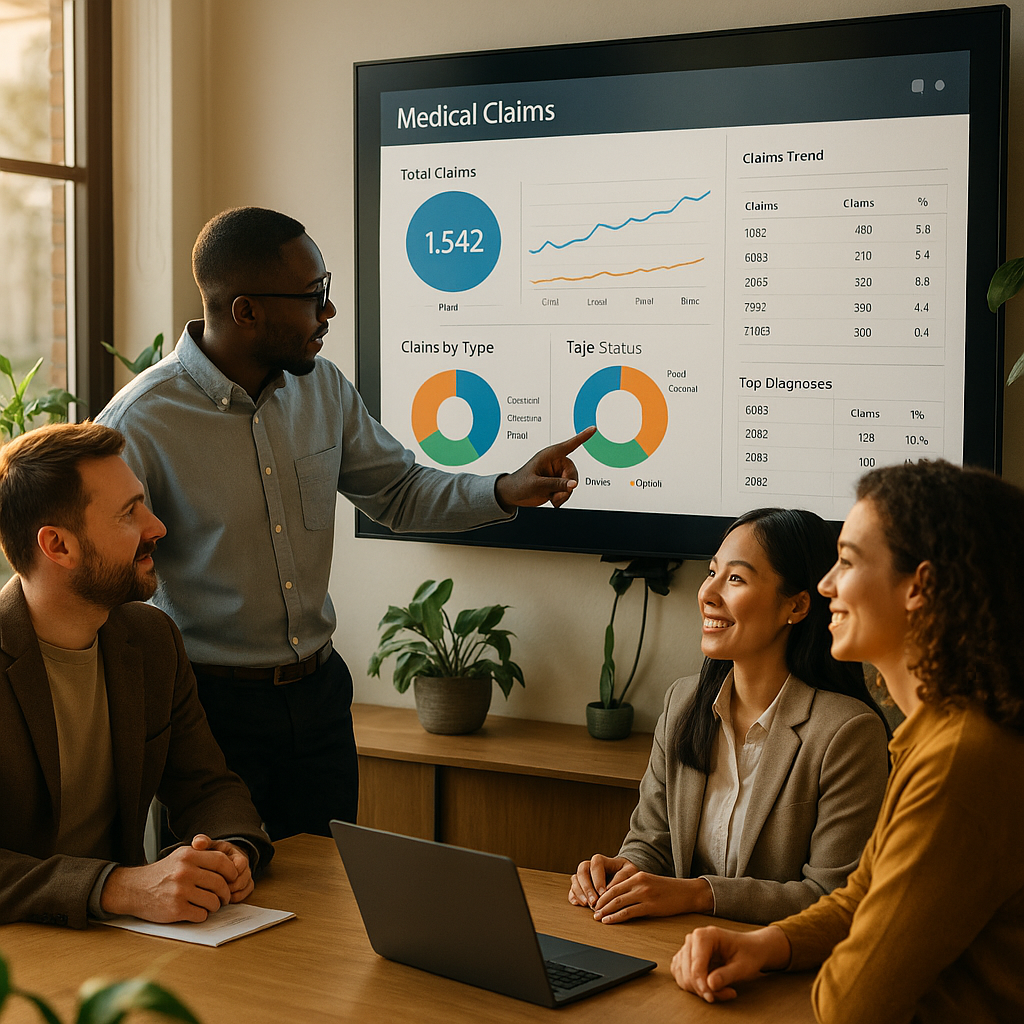
Data is power. Platforms with robust HR reporting software features help analyze turnover, absenteeism, performance trends, and hiring metrics, allowing leadership to make informed decisions.
Modern teams expect more than just salaries. Having built-in tools to manage benefits like health insurance, vacation policies, Health Spending Accounts (HSAs), and Wellness Spending Accounts (WSAs) makes administration smoother and more transparent.
The best HR software for startups needs to be lightweight, flexible, and scalable. Look for solutions that integrate with your tech stack, automate onboarding, and allow you to add new team members effortlessly. Benefits customization, employee self-service portals, and budget control are key priorities.
In construction, managing rotating crews, certifications, and safety compliance adds layers of complexity. Construction HR software should support field-based employees, time tracking, safety logs, and real-time communication. Offline access and mobile capabilities are essential.
An emerging trend in HR tech is the seamless integration of employee benefits into the software ecosystem. Instead of juggling spreadsheets or external vendors, HR leaders can now manage perks from within their primary dashboard.
Traditional group insurance models are often rigid, costly, and underutilized. In contrast, Health Spending Account Canada plans give employers cost control while giving employees more choices.
Platforms that support group insurance vs HSA comparisons and reporting allow teams to assess usage, satisfaction, and savings with greater accuracy.
Adding a wellness spending account to your benefits platform increases employee morale and encourages preventive care. Features to look for include:
The ability to manage both hsa and wsa within one HR system simplifies administration and boosts employee understanding.
Smart HR platforms reduce manual effort with automation for:
Some platforms also use AI for resume parsing, scheduling interviews, and identifying flight-risk employees, giving HR teams more strategic bandwidth.
Data privacy laws are evolving fast. Ensure your HR software supports:
For Canadian businesses, having CRA-compliant HSA and WSA modules is a major plus.
Before investing in a platform, evaluate:
A trial period or demo phase can help validate your choice.
HR software is more than a utility—it’s a long-term partner in employee engagement and organizational efficiency. As your team grows, your HR needs will evolve. Choosing software that adapts to that journey ensures your internal operations stay aligned with your business goals.
Whether you’re managing 5 employees or 500, combining small businesses HR software with tools for employee benefits, performance tracking, and documentation can transform the employee experience from day one.