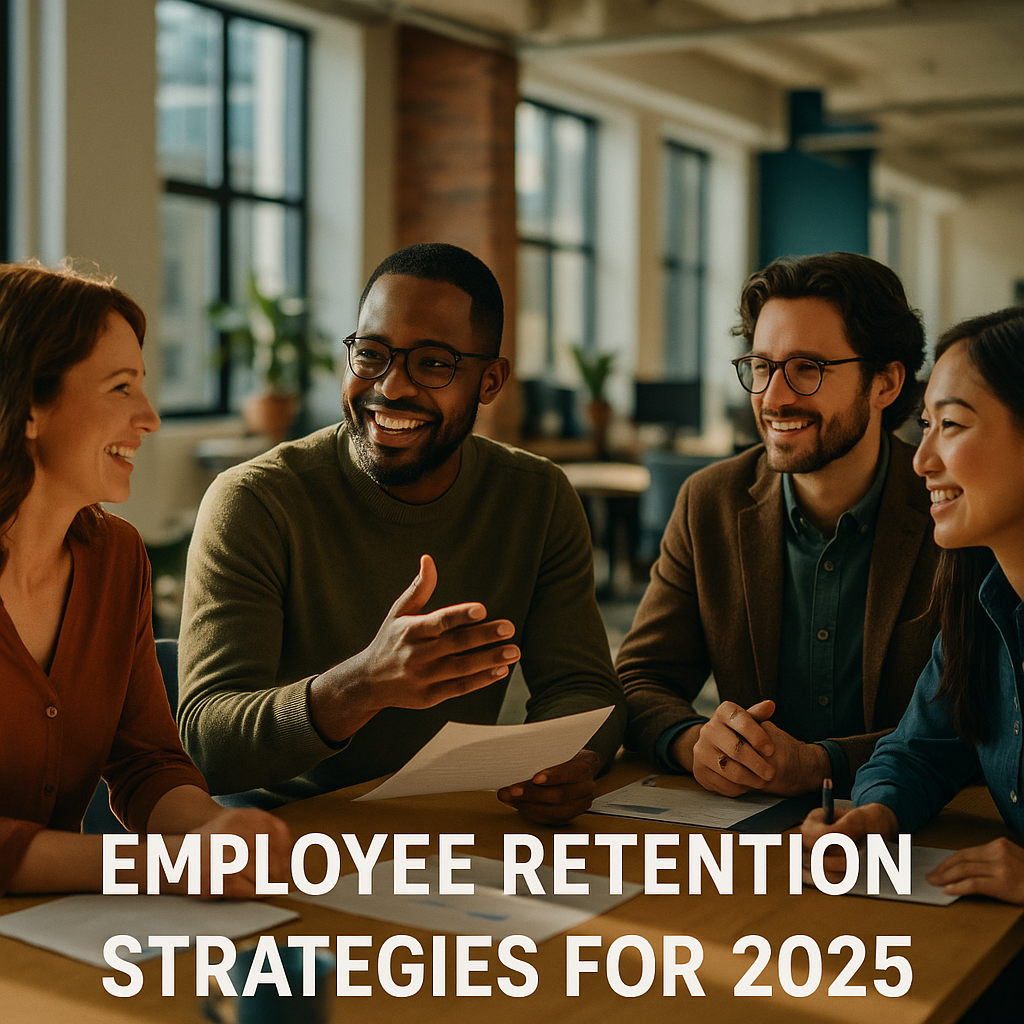

Attracting great talent remains a perennial challenge, but keeping your best employees is the true differentiator for sustained organizational success. As 2026 approaches, the landscape of employee retention is rapidly evolving, driven by expectations for personalized growth, flexibility, meaningful recognition, and an authentic human touch. Forward-thinking HR teams must adopt modern, data-driven, and empathetic employee retention strategies to compete in the global talent marketplace.
This comprehensive guide explores the latest workplace retention strategies, proven staff retention tactics, and actionable talent retention programs designed for the modern workplace. Whether you operate in North America, Canada, Europe, or beyond, these innovative approaches will help you design a future-proof workforce retention plan, reduce turnover costs, and build an engaged, resilient team.
HR retention strategies are no longer just a matter of operational continuity: they’re mission-critical to business survival and growth. High turnover disrupts productivity, damages customer relationships, and erodes organizational culture. Research underscores that replacing a salaried employee can cost up to twice their annual salary. Workforce retention strategies directly influence overall productivity and morale, customer experience quality, knowledge transfer and institutional memory, employer brand reputation in the labor market, and bottom-line profitability. Investing in innovative employee retention tactics ensures you not only attract top talent, but also nurture loyalty, growth, and belonging: qualities every organization needs to thrive in 2026.
Before exploring solutions, it’s important to understand the forces shaping modern retention plans. In 2026 and beyond, HR teams must contend with hybrid and remote work expectations, a growing demand for personalized benefits like Health Spending Accounts and Wellness Spending Allowances, a rising focus on mental health and well-being, and greater transparency in compensation and career progression. Additionally, diversity, equity, and inclusion have become markers of strong workplace cultures, and there is heightened competition for specialized skills. Retention in human resource management now means designing holistic programs that reflect these shifts and go beyond transactional rewards.
Career pathways and internal movement form the backbone of modern retention, signaling that advancement is possible without leaving the company and that the organization invests in growth.
Employees want to know they’re progressing, not just performing. In 2026, career development forms the bedrock of successful retention strategies. Companies should provide structured mentorship programs to pair junior staff with experienced mentors for goal-focused development. Cross-departmental mentoring broadens perspectives and uncovers hidden internal talent. It is also vital to have clear career pathways that outline the competencies and achievements needed for each advancement, enabling employees to see a future within your organization.
Personalized learning allowances and tuition support empower all team members to learn new skills or pursue certifications relevant to their roles. Encouraging skill diversification through rotational assignments, stretch projects, and lateral moves enables learning and growth without leaving the company. Not only does this strategy foster engagement and confidence, but organizations with visible growth paths also outperform in retention by as much as 30% compared to those without, according to recent studies. Supporting internal mobility is equally critical, as employees forced to seek new challenges elsewhere are a flight risk.
Providing easy access to open roles, promoting “try-and-learn” lateral moves, and using internal talent marketplaces increases visibility and options. Research shows organizations with strong internal mobility programs report up to 20% lower turnover and significantly higher retention of high-potential staff.
Flexible work options and whole-person benefits have shifted from perks to table stakes, and organizations that align with these expectations create a stronger sense of trust and commitment.
Work-life balance is not a perk: it’s an expectation. Flexible work arrangements have emerged as one of the best ways to retain employees in the modern workplace. Options can include remote work and flex hours, condensed or compressed workweeks, such as “Summer Fridays,” and trusting employees to manage their schedules by focusing on outcomes rather than office hours. A recent survey found that a significant majority of HR professionals observed increased retention after implementing flexible work policies. Hybrid work has further proven to cut attrition by up to a third, at almost no extra cost. To support seamless operations, companies must provide digital collaboration tools and clear performance guidelines.
Employee burnout is the silent killer of retention. Modern employee wellness retention strategies include generous paid time off and sick days, onsite or virtual counseling, stress management programs, and mental health resources. Additionally, mindfulness and resilience programs, such as meditation apps and peer support networks, along with wellness stipends for fitness, nutrition, and self-care, are valuable. Proactive burnout detection using AI-powered platforms can also be a game-changer. Companies that invest in holistic well-being see up to 65% higher retention rates, while every dollar spent on wellness can return more than three dollars in reduced turnover costs. Lifestyle benefits aligned with employee life stages also improve retention, with platforms like GoKlaim, and others, supporting HSA for employee retention across Canada, the USA, and global markets.
Authentic appreciation, fair pay, and inclusion are foundational signals of respect that reduce uncertainty, build belonging, and strengthen psychological safety.
Recognition is among the fastest, most cost-effective employee retention best practices. Employees who feel seen, heard, and valued are more likely to remain loyal. Modern systems should enable peer-to-peer shoutouts, digital badges, and manager-led praise, alongside quarterly check-ins, pulse surveys, and ongoing feedback loops. Public recognition of achievements, both individual and collective, is also a powerful motivator. Organizations with robust rewards programs report up to 35% lower turnover.
While culture and development matter, compensation cannot be ignored. Modern retention tactics include annual salary benchmarking, transparent pay ranges, equity and bonus structures, and clear paths for advancement. Providing clarity builds trust, and employees informed about their total rewards package are less likely to seek external offers. A strong retention strategy also includes an authentic organizational purpose and an inclusive culture. Companies committed to diversity, equity, and social responsibility experience 40% higher retention. Employees stay where they feel they belong, can be themselves, and see an impact a business can create.
Personalized, insight-led HR activates the right support at the right time and removes friction from how employees access programs and benefits.
Data-led HR retention strategies are transforming how companies manage turnover. AI platforms analyze engagement, job mobility, and performance data to forecast attrition risks and enable just-in-time interventions. HR can use talent management systems to spot trends, identify high-risk segments, and monitor time-in-role, feedback scores, and career progression blockages.
Offering timely interventions, such as personalized coaching or targeted development budgets to at-risk staff, can make a significant difference. Modern workforce retention solutions also rely on seamless benefits tech. Integrated platforms simplify administration, personalize recommendations, and ensure employees can easily access their benefits and rewards. A unified dashboard for health spending accounts, wellness allowances, lifestyle perks, and recognition programs, along with mobile access and employee-centric interfaces, fosters a positive employee experience and boosts engagement.
From first impressions to farewells, every employee touchpoint reveals what your culture values and offers insights for continuous improvement.
Retention starts before day one. Best practices include personalized welcome experiences, a clear explanation of growth opportunities and benefit offerings, structured orientation and training sessions, and pairing new hires with onboarding buddies or mentors. A strong start is a powerful predictor of long-term engagement. Engagement is not a one-off event. Quarterly pulse surveys, listening sessions, and acting on employee feedback demonstrate organizational commitment and encourage loyalty. When employees do leave, HR should collect thoughtful feedback and analyze trends. Insights gained from exit interviews inform future retention strategies and uncover systemic issues.
To focus your efforts, address the most common friction points that drive people to leave.
By systematically removing these obstacles, HR teams create a more engaging environment where people can grow and contribute at their best.
What gets measured gets improved; consistent, segmented metrics reveal which initiatives work, for whom, and where to iterate.
Tracking the effectiveness of your retention plan involves calculating voluntary turnover rates by role, department, and location, measuring employee engagement and satisfaction through regular surveys, analyzing internal mobility rates, and quantifying cost savings from reduced turnover. Data-driven approaches allow for continuous iteration and refinement as new trends emerge. Successful retention programs can significantly lower turnover costs by reducing recruitment, onboarding, and lost productivity expenses. Every percentage point drop in turnover delivers major bottom-line savings.
When well-executed, modern retention programs deliver tangible benefits that compound over time.
Use these outcomes to build a compelling business case and secure long-term investment in people-first programs.
Choosing the right partners and platforms ensures your strategy is scalable, compliant, and responsive to local employee needs.
Modern employers have a wide array of employee retention tools, platforms, and benefit providers to choose from. In Canada and North America, platforms like GoKlaim stand out for their customizable benefit plans, streamlined rewards and recognition modules, robust analytics dashboards, and reliable administration of global workforce programs. When considering an HSA vs WSA for employee retention, both offer unique perks. Health Spending Accounts (HSAs) allow employees to allocate funds to health services of their choice, fostering satisfaction among diverse demographics, especially in Canada, where healthcare needs vary widely. Wellness Spending Allowances (WSAs) expand coverage to fitness, nutrition, mental health, and lifestyle decisions, empowering holistic well-being. For organizations seeking flexible solutions, prioritizing platforms with local expertise and regional support is crucial when searching for employee benefits Canada. Companies evaluating providers should look for integration capabilities with existing HR systems, global scalability, transparent reporting, and multilingual interface options.
Designing a winning workforce retention strategy for 2026 demands a combination of empathetic leadership, robust career planning, flexible benefits, meaningful recognition, and data-driven personalization. HR teams must continuously evaluate and evolve their programs to keep pace with ever-changing employee expectations and market realities. Whether you’re a midsize firm, a multinational corporation, or a fast-growing tech startup, investing in innovative employee retention tactics is the most sustainable way to build a high-performing, loyal workforce for the future.
Ready to strengthen your retention strategy for 2026 and beyond?
Explore how GoKlaim helps employers deliver flexible benefits and build a workplace people are proud to be part of.
Start by offering clear growth paths, flexible work options, personalized benefits, and frequent recognition to create a supportive and engaging workplace where employees want to stay.
The most effective strategies include structured career development, robust internal mobility programs, personalized wellness and benefits, an inclusive workplace culture, transparent compensation, and data-driven analytics to predict and prevent turnover.
Retention enables business continuity, reduces expensive turnover and recruitment costs, and helps build a committed, knowledgeable team that drives long-term value for the organization.
Health Spending Accounts empower employees with choice, allowing them to select healthcare services that fit individual needs, leading to greater satisfaction and loyalty.
Wellness programs support physical and mental health, reducing stress and burnout, which are key factors in an employee's decision to stay with an organization.
Timely and meaningful recognition signals that employees are valued, increases engagement, and builds a culture where team members feel appreciated and motivated to stay.
Flexible policies, such as remote work and compressed schedules, give employees control over their work-life balance, reducing burnout and turnover while boosting job satisfaction.
Common causes include a lack of career progression, poor compensation transparency, workplace inflexibility, insufficient recognition, burnout, and weak manager-employee relationships.
Organizations must invest in career development, provide flexible and competitive benefits, recognize achievements, and foster inclusive cultures where talent can thrive.
Benefits are vital to employee loyalty; competitive, personalized perks like health and wellness solutions address employee needs, making them less likely to leave.