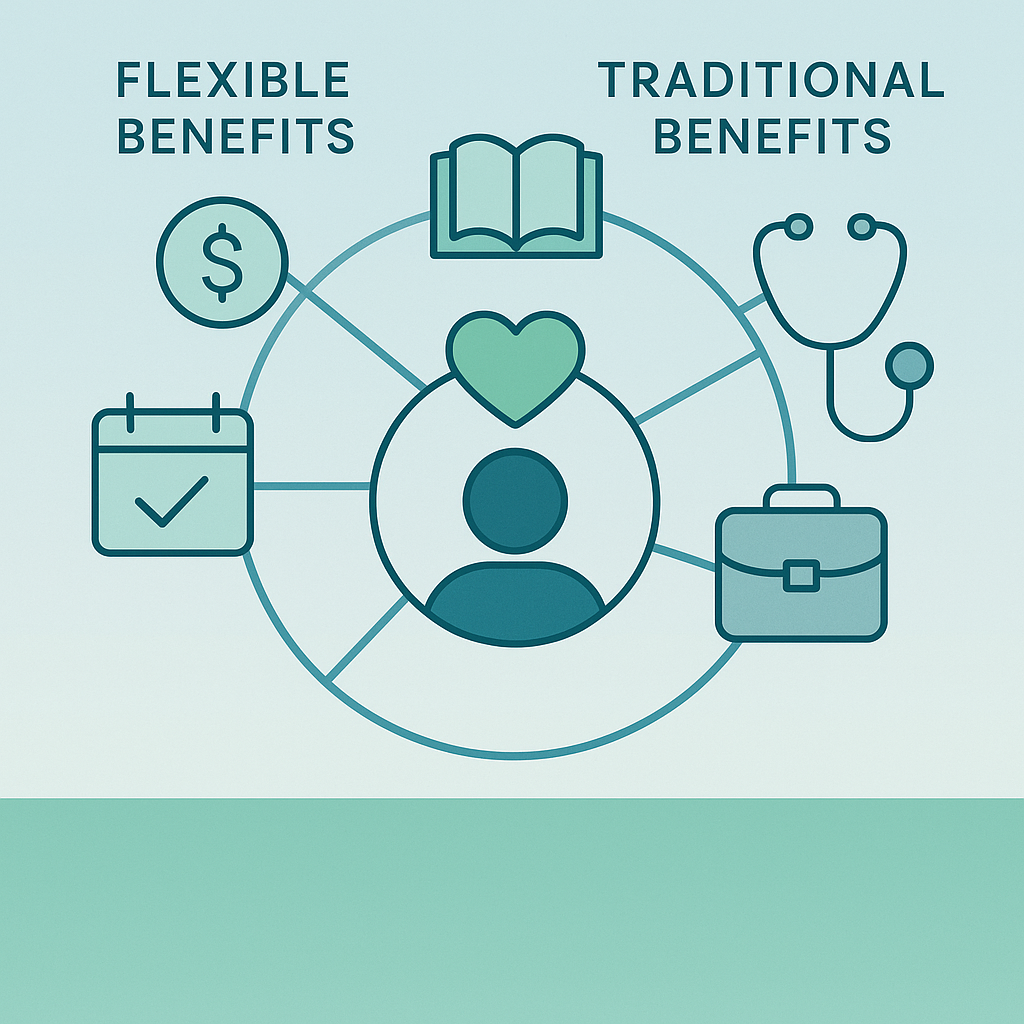
Canadian employers are moving away from rigid, one-size-fits-all group plans and toward flexible employee allowances that give workers real choice in how their benefits dollars are spent. This shift reflects a broader recognition that a 25-year-old developer and a 45-year-old parent have very different benefit needs, and a single plan cannot serve both equally well. For HR leaders and business owners, the challenge is not whether to offer flexible allowances but how to structure them correctly from the start, covering everything from eligible categories and budget-setting to rollover rules and tax implications. Getting the setup right from day one determines whether your allowance program becomes a meaningful retention tool or an administrative headache.
Before configuring anything on a platform, you need a clear picture of what flexible spending allowances actually consist of and which design decisions carry the most weight. Allowances in Canada typically fall into two broad categories: Health Spending Accounts (HSAs), which cover eligible medical expenses on a tax-advantaged basis, and Wellness Spending Accounts (WSAs), which cover a wider range of non-medical expenses. Understanding how these two structures interact, and how they differ from traditional group insurance, gives you the foundation to design something employees will actually use.
The core distinction between allowances vs group insurance comes down to predictability and control. With group insurance, premiums are fixed, and coverage is standardized, which means employees get what the insurer offers regardless of whether it reflects their actual needs. Flexible allowances, by contrast, put a defined budget in the employee's hands and let them direct spending toward what matters most to them. This structure also gives employers stronger cost control because you set the maximum spend upfront rather than absorbing unpredictable premium increases year over year. For smaller organizations that find group insurance premiums difficult to forecast, allowances can be especially attractive as a standalone or complementary solution.
Tax treatment is one of the most consequential design decisions in any Canadian allowance program. HSA reimbursements are generally non-taxable to the employee because they are tied to CRA-eligible medical expenses, provided the plan meets the definition of a Private Health Services Plan (PHSP). WSA reimbursements, on the other hand, are typically considered a taxable employment benefit and must be reported on the employee's T4. This distinction matters significantly when you are deciding how to allocate your budget across health versus wellness categories. Employers in Quebec also face additional provincial rules, including Quebec provincial tax treatment that differs from federal guidelines, so confirming local compliance is essential before launching any program.
Once you understand the structural and tax fundamentals, you can move into the practical design phase. This is where most employers make costly missteps, either by setting budgets without consulting employees, defining eligible categories too narrowly, or overlooking rollover mechanics. A well-designed allowance program requires deliberate decisions across several interconnected variables, and the order in which you make them matters.
Start by deciding which spending categories your allowance program will cover. Categories commonly included in Canadian programs span a wide range of employee needs:
Defining categories precisely prevents ambiguous claims and reduces administrative back-and-forth. Be explicit in your policy documentation about what is and is not eligible within each category so employees can submit claims with confidence. Reviewing the CRA's Employers' Guide to Taxable Benefits and Allowances is a useful starting point for confirming which expenses qualify as non-taxable.
Not all employees or departments have the same needs, and your budget structure should reflect that. A sales team that travels frequently has different expense patterns than an engineering team working remotely, and applying identical allowance amounts across all groups often results in underspend in some areas and frustration in others. Departmental allowances let you tailor spending limits to reflect actual usage patterns without creating inequities that damage morale. When deciding on amounts, benchmark against typical Canadian benefits spending and consider surveying employees to understand what categories they value most before finalizing any numbers.
Allowance rollover policy is a detail many employers overlook at setup, but it has a direct impact on employee satisfaction and budget forecasting. If unused funds expire at year-end with no rollover, employees who joined mid-year or had low utilization lose out, which can breed resentment and undermine perceived value. Allowing a full or partial rollover to the following year encourages consistent engagement with the benefit throughout the year rather than a rush of claims in December. The tradeoff is that rollover balances accumulate as a liability on your books, so you need to decide in advance how much carryover you are willing to support. Set a rollover cap if needed, but communicate the policy clearly in your employee-facing materials from day one. Resources like best practices for managing employee allowances can help you weigh the tradeoffs before locking in your rules.
The best employee allowance software does more than process claims. It gives HR administrators real-time visibility into usage, allows department-level configuration, automates approval workflows, and keeps employees informed through a mobile-first experience. When evaluating platforms, look for flexible category configuration, audit-ready reporting, and a clean employee-facing interface that does not require training to navigate. Platforms that support both HSA and WSA structures under one roof reduce the administrative complexity of managing separate programs for different benefit types. GoKlaim, for example, allows employers to configure wellness spending accounts with custom categories, set department-level budgets, and enable rollover, all through a single platform with flat-rate pricing and no hidden fees.
Setting up flexible employee allowances in Canada requires deliberate choices across four interconnected areas: category design, budget structure, rollover policy, and platform selection. Getting these decisions right from the start determines how much administrative overhead your HR team carries and how meaningfully employees engage with the program. The shift toward flexible, personalized benefits is not a trend but a structural change in how Canadian employers compete for talent, and the organizations that build smart allowance programs now will have a measurable advantage in attraction and retention. Whether you are launching a standalone allowance program or layering it over existing group benefits coverage, the principles in this guide apply regardless of company size or industry. Tax treatment and provincial compliance deserve particular attention before go-live, especially for employers operating across multiple provinces, and partnering with a platform that keeps compliance guardrails built in will save you significant headaches down the road.
Ready to build a benefits program your employees will actually use? Explore GoKlaim's platform to set up customizable, compliant employee allowances for your Canadian team.
Employee allowances give workers a defined spending budget, provided by their employer, that can be used to claim reimbursement for pre-approved categories of expenses such as health care, fitness, or professional development, with tax treatment varying depending on whether the allowance is structured as an HSA or a WSA.
Setting up employee allowances involves four key steps: defining eligible expense categories, setting budgets at the individual or department level, establishing rollover and claim window rules, and choosing a benefits platform that can manage configurations, approvals, and reporting in one place.
Whether unused allowances roll over depends entirely on the policy your organization sets at the time of program design, and many Canadian employers allow partial or full rollover to encourage year-round engagement while capping carried balances to control budget liability.
HSA reimbursements are generally non-taxable to employees when tied to CRA-eligible medical expenses under a qualifying Private Health Services Plan, while WSA reimbursements are typically treated as taxable employment benefits and must be included on the employee's T4.
Quebec follows its own provincial tax rules that differ from federal CRA guidelines, which means employers operating in Quebec need to assess both federal and provincial tax obligations separately before launching an HSA or WSA program to ensure full compliance.