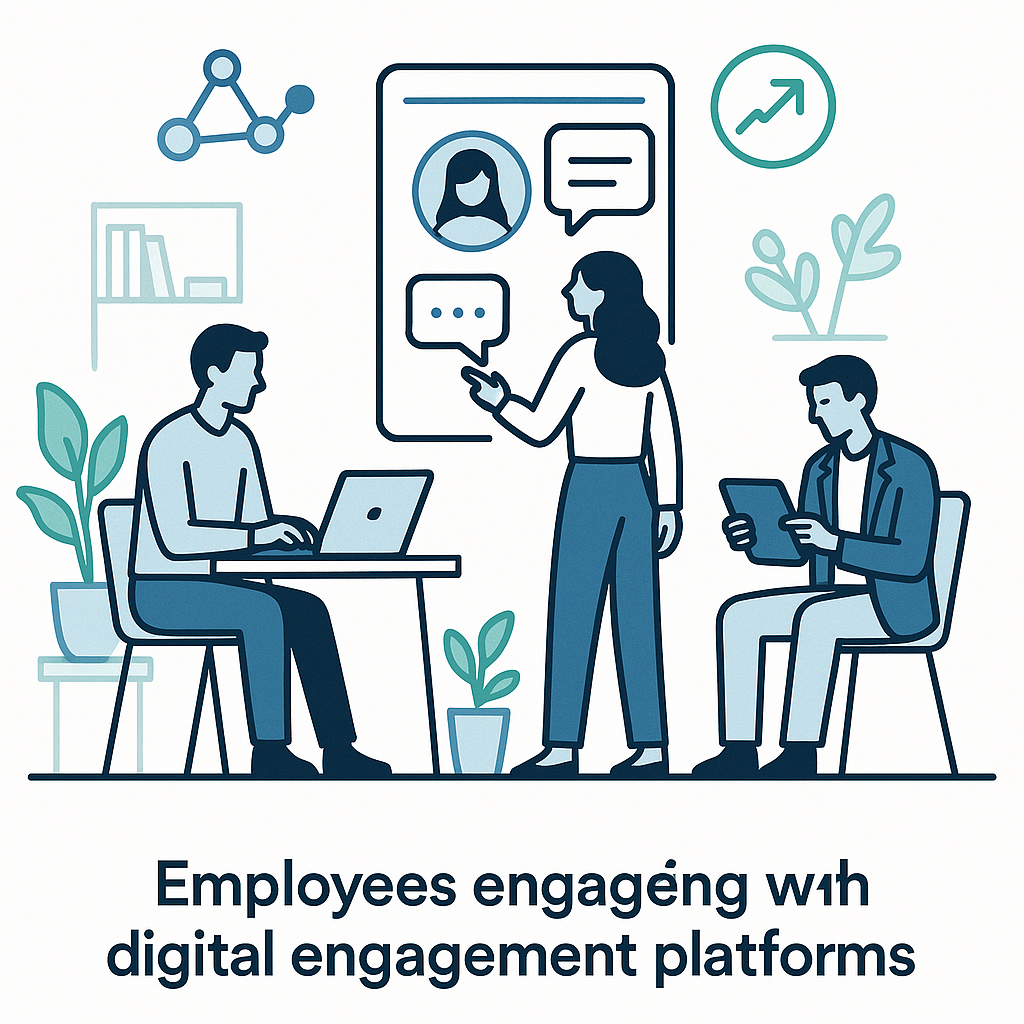

Unlocking lasting high performance starts with understanding and cultivating employee engagement. As organizations across North America and beyond compete for talent, fostering strong employee connectivity and internal engagement is not just an HR initiative: it's a strategic imperative for sustained success. This comprehensive guide outlines how to measure employee engagement, identify key drivers, and implement actionable strategies to improve it in any company, team, or location.
Employee engagement refers to how emotionally connected, committed, and motivated employees are toward their organization and its goals. High workforce engagement shows up as enthusiasm for one’s work, a willingness to go above and beyond, and a strong sense of organizational involvement. Engaged employees don't just complete their tasks; they actively contribute to moving the business forward.
While often confused, employee engagement is distinct from employee satisfaction. Engagement reflects the level of motivation and emotional involvement with the organization’s mission; satisfaction is more about general contentment or whether the employee likes their job. For higher business performance, engagement, not just satisfaction, is the lever companies must pull.
Engaged employees are the key to better business outcomes. The benefits of a highly engaged workforce are proven and substantial:
Companies with high staff engagement realize up to 21% greater profitability, 41% lower absenteeism, and up to 59% less attrition compared to those with low engagement. Engaged employees also foster stronger customer loyalty, resulting in lasting competitive advantages.
Yes, employee engagement can be measured through a combination of quantitative and qualitative methods. Effective measurement provides a clear view of your workforce’s current sentiment and lays the groundwork for improvement efforts.
Tip: Use established employee engagement platforms like GoKlaim, which provide robust data collection and actionable analytics, alongside other tools like Gallup or Qualtrics.
Understanding what influences engagement in the workplace is vital for effective improvement. The primary drivers include:
Each organization will have unique engagement drivers: data gathered from your own measurements helps identify where to focus.
A formal employee engagement program aligns HR, leadership, and line managers under a unified strategy. Key components include:
Tip: Pilot engagement activities with a sample team or business unit before scaling company-wide.
To streamline and scale engagement management, many organizations use purpose-built platforms. Here’s how some of the top employee engagement tools compare:
PlatformKey FeaturesBest ForRegion FocusGoKlaimPulse surveys, analytics, wellness integrationComprehensive engagement tracking, wellness-linked engagementNorth America, Canada, APACQualtrics EmployeeXMEmployee experience suite, enterprise analyticsLarge organizations, global rolloutsGlobalGallup AccessEngagement benchmarking, Q12 survey, analyticsResearch-driven insights, leadership trainingUS/North AmericaCulture AmpSurveys, action plans, feedback cyclesSMBs and mid-market, culture-centric orgsGlobal
Consider: ease of use, analytical depth, mobile access, and platform integration when selecting a solution for your business context.
High employee engagement directly correlates with:
Teams with strong engagement consistently outperform those with low engagement, making people engagement a strategic driver of lasting company performance.
Many companies in Canada and the US are investing in employee engagement solutions as competitive differentiators. Trends show growing adoption of wellness integration, flexible benefits, and hybrid engagement strategies, particularly in major markets like Ontario, Toronto, Vancouver, Calgary, and Montreal.
Collaborating with engagement providers such as GoKlaim helps organizations deploy regionally-relevant programs, optimize wellness allowances, and ensure sustained improvement in engagement metrics.
ProsConsBoosts productivity and moraleRequires sustained leadershipReduces turnover and absenteeismImplementation can be resource-intensiveImproves employer brand and talent attractionMeasurement and follow-through criticalDrives customer loyalty and business growthSome solutions costly or complex
Successful engagement programs are intentional, data-driven, and consistently aligned with business objectives.
Measuring and improving employee engagement is essential for any forward-thinking organization. By investing in robust measurement, focusing on proven drivers, and leveraging technology platforms like GoKlaim, companies can transform workforce engagement into a tangible business advantage.
Make engagement everyone's job, from C-suite to team leads. Start today with honest measurement, real action, and a deep commitment to your people. The result: a more connected, productive, and resilient organization for tomorrow’s challenges.
Employee engagement is the level of emotional commitment, involvement, and enthusiasm employees have toward their work and organization.
It’s measured using engagement surveys, pulse checks, focus groups, and key metrics like engagement scores and employee turnover.
Engaged employees perform better, stay longer, deliver superior customer experiences, and drive stronger business growth.
Strengthen leadership, provide growth opportunities, recognize contributions, foster open communication, and support well-being.
Purposeful work, trust in leadership, recognition, development opportunities, strong team relationships, and a positive culture.
Listen actively, empower managers, leverage technology, reward achievements, and create clear career pathways.
Higher productivity, lower turnover, better customer ratings, and a more resilient and innovative organization.
High engagement leads to increased productivity, improved quality, and greater profitability.
Yes, with well-designed surveys, feedback tools, and analytical platforms.
Maintain clear communication, foster social connections, and provide flexible, supportive work environments using digital tools.