
Choosing the best group benefits plan for your employees in 2025 is about more than just covering the basics. It’s about creating a comprehensive, flexible, and engaging employee benefits group package that supports both your organization's success and your employees' well-being. With a growing number of healthcare solutions and HR tech platforms available, making the right benefits decisions requires a strategic approach. This involves a deep understanding of your workforce's needs, careful analysis of the options, and a commitment to ongoing optimization. Employee expectations for workplace benefits are at an all-time high, reflecting a broader shift towards engagement, inclusivity, and holistic wellness.
A modern group benefits insurance plan now extends far beyond traditional health coverage, often including mental health employee benefits, wellness spending accounts, and advanced digital management tools. For any organization, from a small startup to a large multinational corporation, the challenge is to strike the right balance between cost, coverage, and regulatory requirements, all while catering to the diverse needs of a multigenerational workforce. In this guide, we'll explore the essential components of group benefits, key decision-making factors, and how HR tech solutions are reshaping the administration and impact of employee group benefits.
A group benefits plan is a comprehensive package of benefits offered by an employer to their employees. These plans typically include health, dental, vision, life, and disability insurance, as well as wellness programs and financial tools like health spending accounts. The primary goal of these plans is to address a wide range of employee needs, providing greater value and affordability than most individual benefits.
By leveraging "group purchasing power," employers can offer enhanced coverage at a lower cost per employee. In addition to basic medical care, modern plans often include a variety of other perks, such as preventive healthcare, prescription drug coverage, mental health resources, and financial wellness tools. This approach not only supports employees' immediate health needs but also contributes to their long-term well-being and financial security.
Organizations looking to introduce or upgrade their employee benefits group plans need to understand the different insurance models available. The most common types include HMO, PPO, EPO, and POS plans, each with its own unique structure. HMOs, or Health Maintenance Organizations, generally have lower premiums and predictable out-of-pocket costs, but they require members to use a primary care physician and stay within a specific network of providers. PPOs, or Preferred Provider Organizations, offer more flexibility, allowing employees to see providers both in and out of network without a referral, though this usually comes at a higher cost.
EPOs, or Exclusive Provider Organizations, are a hybrid model that only covers in-network care but doesn’t require referrals, balancing cost control with simplicity. Finally, POS, or Point of Service, plans combine features of HMOs and PPOs, requiring a primary physician but allowing for out-of-network care at a higher cost. The choice between these models often depends on the organization's budget and the needs of its workforce.
Today's group benefits plans go far beyond basic health insurance, with a wide range of add-ons available to create a more comprehensive package. These additional features can significantly enhance the value of your benefits program and help you attract and retain top talent. Some of the most common add-ons include:
Dental and vision coverage continue to be two of the most popular add-ons in a benefits package. Dental insurance usually covers preventative care such as routine cleanings, examinations, and X-rays, along with basic services like fillings and more advanced treatments such as crowns or root canals. Vision insurance often includes annual eye exams, prescription glasses or contact lenses, and discounts on vision correction procedures. These benefits support long-term health and reduce the financial burden of essential care.
Life and disability insurance provide financial protection for employees and their families during unexpected life events. Life insurance offers a payout to beneficiaries if an employee passes away, helping them manage immediate expenses and maintain financial stability. Disability insurance, whether short-term or long-term, replaces a portion of an employee’s income if they are unable to work due to illness, injury, or medical conditions. This support helps employees stay secure during difficult periods and reduces the stress associated with lost income.
Wellness programs play a key role in promoting physical, mental, and emotional well-being among employees. These programs may include access to fitness memberships, mental health resources, nutrition guidance, lifestyle coaching, wellness challenges, and virtual therapy or meditation apps. By encouraging healthier habits and supporting stress management, wellness programs help improve productivity, reduce burnout, and create a positive workplace culture.
FSAs, HSAs, and HRAs give employees more control over their healthcare spending through tax-advantaged options. FSAs allow employees to set aside pre-tax money for eligible medical, dental, and vision expenses, though the funds usually must be used within the plan year. HSAs, which are available with high-deductible health plans, let employees save pre-tax money that carries over year after year and can be used for current or future medical expenses. HRAs are employer-funded accounts that reimburse employees for qualified healthcare costs, offering flexibility without requiring employee contributions. These options help employees manage out-of-pocket expenses more effectively while delivering significant tax benefits.
Group benefits insurance operates by pooling risk among a group of employees, which allows insurers to offer broader coverage at more competitive rates than individual plans. Employers typically share the cost of premiums with their employees, who can then access their benefits using a plan card or a digital platform. When an employee needs to use their benefits, the claim is managed either directly by the insurer or, in the case of self-funded plans, by a third-party administrator.
In most cases, participation in the group plan is mandatory, which ensures that the risk is spread across a wide pool of individuals. This structure allows employers to select and bundle the benefits that best align with their strategic priorities and budget, creating a customized package that meets the unique needs of their workforce. The result is a more affordable and comprehensive benefits solution for everyone involved.
Selecting the best group benefits insurance for your organization requires more than just a simple price comparison. A thorough evaluation should take into account a variety of factors, including the scope of coverage, the flexibility of the plan, the provider's reputation, and the quality of their administrative technology. When comparing plans, it's essential to assess the core coverage areas, such as medical, dental, and vision, as well as any available add-ons like health spending accounts and employee wellness programs.
Additionally, you should review the provider's network to ensure it meets the geographical needs of your employees, especially if you have a distributed workforce. It's also a good idea to investigate the plan's digital tools and how well they integrate with your existing HR tech platforms for more efficient employee benefits administration. Finally, don't forget to consider the plan's customization options and monitor customer service reviews to get a complete picture of what each provider has to offer.
The trend towards custom employee benefits solutions is a direct response to the increasing demand for personalized benefits packages. Modern technology platforms, such as GoKlaim, make it possible for organizations to design benefits packages that are tailored to the specific preferences of their employees. These platforms also simplify communication and streamline the administrative processes of onboarding and managing benefits.
With these tools, employees can choose from a menu of voluntary add-ons, use mobile apps to track their participation in wellness programs, and manage their healthcare spending solutions through tax-optimized accounts. This shift towards personalization gives businesses of all sizes, from small startups to large corporations, a unique opportunity to boost employee loyalty and differentiate their employer brand in a competitive market.
A Health Spending Account (HSA) is a flexible, employer-funded account that is used exclusively for eligible medical expenses. In Canada, these accounts are tax-free for employees and tax-deductible for employers, making them a highly effective way to supplement group benefits. In contrast, a Wellness Spending Account (WSA) expands the range of allowable expenses to include fitness, mental wellness, and other lifestyle-related purchases.
This allows employees to invest in their overall health in a more holistic way. The primary difference between the two is that HSAs are limited to medically necessary expenses, while WSAs can cover things like gym memberships, nutritional counseling, or mindfulness training. Both accounts are funded by the employer, but HSAs are strictly for medical and dental costs, while WSAs cover a broader range of wellness activities and may be considered a taxable benefit in some areas.
By combining both types of accounts, employers can provide comprehensive support that promotes both physical and mental well-being, leading to increased employee engagement and satisfaction. GoKlaim, along with other platforms, offers solutions for managing both HSAs and WSAs, making it easier for companies to provide these flexible benefits to their employees.
When it comes to providing benefits, organizations and employees alike must consider the trade-offs between group and individual plans. Group benefits offer several distinct advantages, including lower costs due to risk pooling, more comprehensive coverage that often includes medical, dental, and vision, and employer support that reduces the financial and administrative burden on employees.
These plans are also a powerful tool for recruitment and retention. However, group plans can sometimes be less customizable for individuals with unique healthcare needs and may not be portable if an employee leaves the company. On the other hand, individual benefits are entirely tailored to the person, offering maximum flexibility. But this level of personalization usually comes at a higher cost and with a greater administrative load. The decision between the two ultimately depends on the specific needs and priorities of both the employer and the employees.
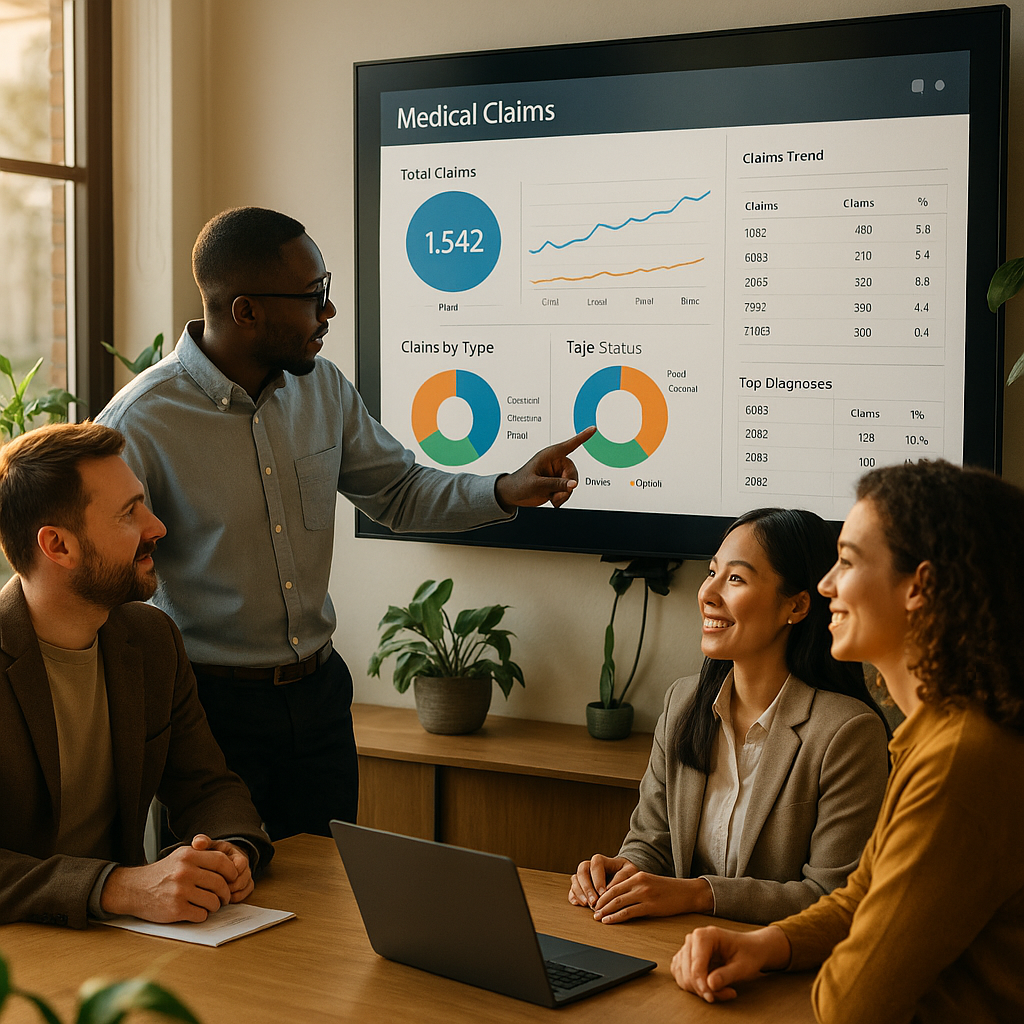
The landscape of employee benefits group administration is being completely reshaped by the rise of HR tech and benefits administration software. Modern solutions now provide integrated dashboards that serve both employers and employees, automating claims processing, enabling real-time analytics, and ensuring compliance with ever-changing regulations. Key features of these platforms often include:
Self-service portals allow employees to access and manage their benefits on their own. They can check coverage details, submit claims, monitor reimbursements, and update personal information without needing assistance from the HR team. This increases convenience and reduces administrative workload.
Automation improves both speed and accuracy in benefits administration. Platforms automatically review requests, process approvals, and issue reimbursements. Automated reporting also gives HR teams clear data on spending, claim activity, and overall usage, which supports better decision-making.
Many digital platforms can connect directly with payroll and time off systems. This creates a smooth flow of information, reduces duplication of tasks, and ensures that employee records stay consistent. It also simplifies important processes such as calculating deductions and managing contributions.
Scalable platforms allow businesses to expand their benefits programs as they grow. New employees can be added easily, plan options can be updated, and additional features can be included without causing disruption. This flexibility helps the organization maintain smooth operations at any size.
By leveraging these platforms, organizations can create more efficient processes, improve transparency, and significantly boost employee engagement with their benefits programs.
When evaluating the best group benefits providers, it's important to look beyond just the price tag. A comprehensive review should also consider factors like plan design, the provider's reputation, the quality of their customer support, and their technological capabilities. In North America, some of the leading providers include Sun Life, Manulife, and Canada Life, all of whom offer strong digital platforms and flexible plan structures.
Aetna and Blue Cross Blue Shield are also major players, particularly in the US, with a wide array of plan designs and digital tools. Provider reviews often highlight reliability, responsive support, and user-friendly apps as key differentiators, so it's always a good idea to ask for case studies or client referrals to help you make an informed decision.
Establishing a new employee group benefits plan or upgrading an existing one involves a series of strategic steps. The first is to identify your organization's objectives, whether that's improving talent retention, promoting wellness, or managing risk. Next, it's a good idea to survey your staff to get a better understanding of their desired benefits and any pain points they may have with your current offerings.
Once you have a clear picture of your goals and your employees' needs, you can begin to consult with benefits providers or brokers to explore your options. This is also a good time to determine your budget and decide on a funding model, such as a fully insured, self-funded, or level-funded plan. After that, you can select the coverage options and additional features, like HSAs or dental programs, that best fit your needs. The final steps are to roll out the plan, which should include employee education sessions and digital onboarding, and then to monitor utilization and satisfaction to ensure your plan remains competitive and effective.
In 2025, employee wellness programs are more critical than ever, directly impacting organizational effectiveness by reducing absenteeism, boosting productivity, and lowering healthcare costs. These programs can encompass a wide range of activities, from fitness challenges and mental health support to health screenings and financial wellness education. In Canada and around the world, there's a growing recognition of the importance of mental health, and employees are increasingly demanding a more holistic approach to well-being.
As a result, companies that invest in comprehensive wellness initiatives are better positioned to attract and retain top talent, foster a positive work environment, and support the overall health of their workforce. These programs are no longer a "nice-to-have" but a strategic necessity for any organization that wants to thrive in the modern workplace.
Employee rewards platforms are designed to recognize achievements, reinforce positive behaviors, and cultivate a culture of appreciation within an organization. Platforms like GoKlaim, for example, can link rewards to a variety of milestones, such as health and wellness goals, peer recognition, or outstanding work performance. The rewards themselves can be distributed in various forms, including points, gifts, or unique experiences.
Modern rewards systems are often integrated with benefits dashboards, creating a seamless experience that connects an employee's well-being with their engagement at work. By automating the process of employee recognition, these platforms make it easier for companies to show their appreciation and foster a more positive and motivated workforce.
An optimal group benefits insurance strategy for 2025 is one that does more than just provide health coverage. It should create a compelling value proposition that attracts top talent, supports employee retention, and empowers your workforce to thrive. By combining traditional plans with innovative add-ons, leveraging HR technology, and personalizing offerings through HSAs and WSAs, organizations can set themselves up for success. To build a future-ready benefits strategy, start by gathering employee feedback, prioritizing flexibility, and choosing providers that offer robust digital support. As the benefits landscape continues to evolve with new technologies and a greater focus on holistic health, your group benefits plan will become more than just a recruitment tool, it will be a strategic engine for business growth.
Ready to modernize your benefits strategy?
Explore smarter solutions with GoKlaim today.
A group benefits plan is an employer-sponsored package of health, dental, vision, life, and disability benefits. It can also include wellness services designed to provide comprehensive coverage and financial protection to employees.
Group benefits insurance pools risk among all employees, which allows insurers to offer more comprehensive coverage at a lower cost. Employers typically share the premium costs and manage the plan features.
For a small business, the key is to evaluate your employees' needs, your budget, and the available coverage options. It's often best to start with core benefits like health and dental and then consider adding on perks like an HSA or a wellness program.
A health spending account, or HSA, is an employer-funded account that allows employees to pay for eligible medical and dental expenses. It offers significant tax advantages, particularly in Canada.
A wellness spending account, or WSA, is another employer-funded program, but it covers a much broader range of expenses related to fitness, mental health, and lifestyle products. While more flexible than an HSA, a WSA may be considered a taxable benefit.
Yes, many modern benefits platforms now allow employees to personalize their benefits packages. They can often select from a range of core and voluntary options, which can lead to higher satisfaction and engagement.
The most sought-after benefits typically include comprehensive health and dental coverage, mental health resources, wellness programs, HSAs and WSAs, flexible leave policies, and personalized rewards systems.
The process of setting up a group benefits plan involves surveying your employees to understand their needs, defining your objectives and budget, consulting with providers, designing your coverage, rolling out the plan, and regularly monitoring its usage.
Employee wellness programs are essential for promoting physical and mental resilience, which can lead to reduced absenteeism and increased productivity. They are a cornerstone of a healthy and positive organizational culture.
An HSA is designed to cover medical and dental expenses and comes with tax advantages. A WSA, on the other hand, supports a wider range of wellness activities but may be taxable, making it more flexible but less tax-optimized.