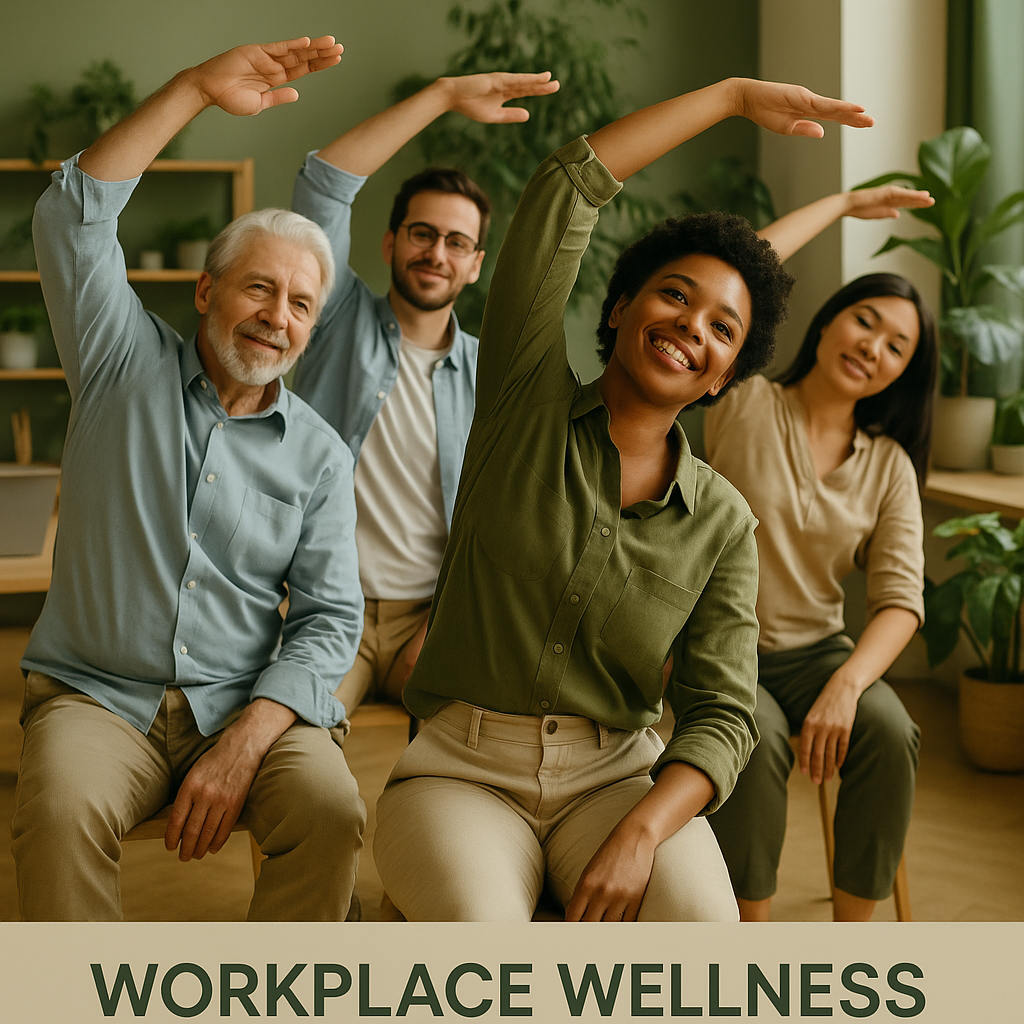
Building a genuine corporate wellness culture in Canada is not about adding a yoga class to the calendar and calling it a strategy. It is about embedding employee well-being into how decisions are made, how leaders communicate, and how teams are supported day to day. Canadian employers are facing a workforce that increasingly weighs total well-being, not just salary, when choosing where to work and whether to stay. This guide breaks down the practical pillars of a strong wellness culture and gives HR leaders and business owners a clear path to get there.
Many organizations confuse offering wellness perks with having a wellness culture. The difference matters. A culture is systemic; it shapes behaviour, norms, and expectations across the organization, not just during a quarterly health challenge. When well-being is truly embedded, employees feel safe raising burnout concerns, managers are trained to recognize stress signals, and benefits are designed around real needs rather than assumptions.
A strong wellness culture rests on several interconnected pillars that work together rather than in isolation. Focusing on only one, like physical health, while ignoring mental health, creates gaps that undermine the whole effort. The most effective frameworks address the full spectrum of employee needs:
Policies alone do not create culture. Leaders do. When senior leaders visibly take mental health days, openly discuss their own boundaries, and actively participate in employee wellness programs, it normalizes those behaviours for everyone else. A policy that exists only on paper will not change how employees actually feel at work. Managers need training and accountability to consistently model the wellness values the organization claims to hold.
Culture needs structure to sustain itself. Without the right infrastructure, benefits, platforms, and processes, good intentions fade under the pressure of daily operations. The companies that maintain strong wellness cultures over time are the ones that systematize it.
Traditional group insurance plans were built for a different era. They cover a defined list of medical expenses but often miss the broader spectrum of what employees actually need, from mental health support to home office equipment to fitness costs. This is where wellness spending accounts have become a practical alternative. A wellness spending account gives employees a defined annual budget they can spend on eligible categories they personally value, whether that is a gym membership, a meditation app, or a professional course. This flexibility is not just convenient; it signals respect for the diversity of employee needs across different life stages, locations, and health priorities.
GoKlaim was built specifically to address this gap, offering customizable health and wellness programs through a spending account model that employers can configure at the department or individual level. It functions as both a complement to existing group insurance and a standalone solution for employers looking for more adaptable, cost-effective coverage.
Recognition is often treated as a feel-good add-on, but its impact on employee well-being is well-documented. Employees who feel seen and appreciated report lower rates of burnout and higher intent to stay. Automated recognition systems that acknowledge birthdays, work anniversaries, and peer-nominated achievements keep appreciation consistent without requiring managers to remember every milestone manually. When recognition is built into the workflow rather than relying on individual memory, it becomes part of the culture rather than an occasional gesture.
Knowing the principles is one thing. Translating them into action at an organization in Toronto, Montreal, or Vancouver takes deliberate planning. The following steps give HR leaders a practical entry point, regardless of company size or current benefits maturity.
Before adding new programs, understand what is already working and where the gaps are. Run an anonymous employee survey focused on well-being, not just satisfaction. Ask directly about workplace wellness gaps: Do employees feel supported when they are stressed? Do current benefits match their actual needs? Do managers create psychological safety? The data from this assessment should drive every decision that follows. Without it, organizations risk investing in programs that look good on a careers page but do not address what employees actually experience day to day.
According to Dialogue's 2024 wellness report, employees consistently report that mental health support and flexible benefits rank among their highest priorities, yet many employers still underinvest in both. Closing that gap starts with listening before spending.
Wellness culture does not maintain itself. Assign ownership: designate a wellness lead, integrate well-being goals into manager performance reviews, and report on benefits utilization regularly. Tailored employee benefits that align with workforce demographics tend to see higher engagement, which in turn drives retention. Review your employee-centric practices at least annually, using usage data and pulse surveys to course-correct. The most effective workplace wellness programs are iterative, not static.
For companies looking to improve employee retention through wellness investment, GoKlaim's platform provides analytics and reporting tools that make this kind of informed, ongoing decision-making straightforward, even for small and mid-sized organizations without a dedicated HR team.
A strong corporate wellness culture in Canada is built over time, through consistent leadership behavior, smart benefit infrastructure, honest assessment, and a genuine commitment to meeting employees where they are. The organizations seeing the best outcomes are not necessarily the ones with the largest budgets; they are the ones that treat wellness as an operational priority rather than a marketing message. Start by listening to your team, invest in flexible benefits that reflect their real needs, and hold your leadership accountable to the values you want to embed. The return, measured in retention, engagement, and productivity, is significant and compounding.
Ready to build a benefits structure that supports a real wellness culture? Explore GoKlaim's platform and see how customizable spending accounts and recognition tools can give your team the support they actually need.
Employers can support employee wellness by combining flexible spending accounts with mental health resources, recognition programs, and manager training that normalizes open conversations about well-being.
Depending on how the account is configured, employees can often claim gym memberships, mental health therapy, professional development courses, ergonomic home office equipment, and wellness apps.
Wellness platforms improve satisfaction by giving employees autonomy over how they use their benefits, which creates a sense of being genuinely supported rather than offered a one-size-fits-all package.
Canadian employers should provide access to licensed therapists or counselors, Employee Assistance Programs, and coverage for mental health apps or digital therapy tools as a minimum baseline.
Wellness spending accounts offer greater flexibility and cost control than traditional insurance, making them an effective complement or alternative depending on the size and needs of the workforce.