
As companies compete in a rapidly shifting landscape, the culture they create through benefits has become a core differentiator. From flexible wellness stipends to robust mental health support, offerings reflect values and drive trust.
Whether in North America, Europe, Asia, or Australia, the race is on to build a data-driven culture with purpose-led programs that foster engagement, resilience, and retention. Benefits are no longer “extras”—they are strategic components that directly influence organizational culture and high performance.
Workplace culture encompasses the values, beliefs, and behaviors that shape how people interact, solve problems, and deliver outcomes. Historically seen as static, culture in 2026 centers on lived experience. Technology enables leaders to translate values into tangible benefits and policies that employees feel every day, turning culture into an asset for branding, talent attraction, and sustained growth.
The shift from one-size-fits-all perks to personalized, holistic benefits is undeniable. Wellbeing programs now address mental health, financial security, family care, and development—supporting people as whole humans. Deployed strategically, benefits reinforce inclusivity and innovation, drive employee engagement, and enable flexible work models. Partners like GoKlaim help employers align benefits with evolving needs to build resilient cultures.
Culture’s impact on outcomes is direct and measurable. Engaged employees deliver higher productivity, creativity, and loyalty, reducing absenteeism and turnover. HR teams increasingly use culture assessment tools and data-driven feedback to identify gaps, align benefits with values, and sustain improvements in morale and performance.
Mental health has become essential to culture. With widespread coverage and normalized support, organizations build psychological safety, making it safe to seek help, take breaks, and ask for flexibility. This evolution fosters inclusion and trust across roles and backgrounds.
A truly innovative workplace culture embraces holistic wellness: financial wellbeing programs, life-stage and family care support, flexible schedules, and location-independence. Addressing these dimensions strengthens belonging, teamwork, and innovation.
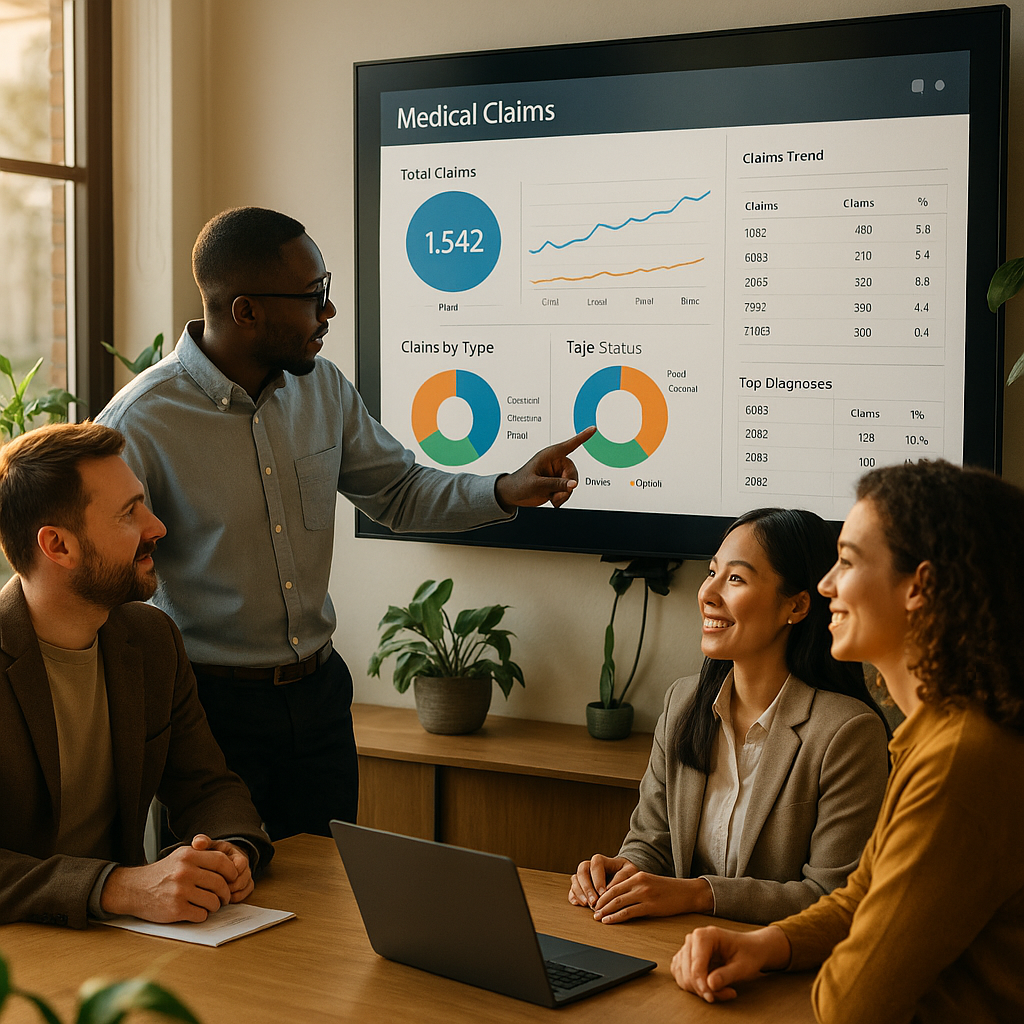
AI-driven benefits platforms analyze engagement, utilization, and outcomes to personalize offerings, predict burnout, and adapt to changing expectations. For example, platforms supported by GoKlaim track participation, highlight engagement trends, measure ROI, and refine strategies for inclusion and learning-focused cultures.
Traditional cultures lean on precedent and limited employee input, risking disengagement and slow innovation. In contrast, data-driven cultures evolve through evidence and continuous feedback. Benefits are tracked for effectiveness, and decisions are informed by surveys, utilization, and well-being metrics, fostering openness, agility, and trust.
US employers lead with flexible benefits; Canadian organizations emphasize inclusion and balance; Europe prioritizes holistic wellness amid diverse contexts; Australia embeds remote work into culture; and Asia elevates learning, development, and social well-being. Across regions, programs are tailored locally while integrating global workplace culture trends.
Organizations invest in upskilling, reskilling, tuition support, leadership workshops, mentorship, and idea-sharing. Companies like Google and Apple demonstrate different yet effective cultural models, openness and experimentation versus precision and design-driven collaboration, each showing how culture drives performance.
Transparent communication about benefits, channels for feedback, recognition programs, and flexible arrangements improves health, resilience, and retention. When employees feel cared for and heard, engagement follows.
Culture change is a journey led by example, continuous learning, and measurement. Leaders champion priorities like culture change management and use analytics to track progress, diagnose issues, and focus investments.
Effective leaders communicate clearly, support diverse needs, train managers to spot burnout and disengagement, and celebrate progress. Their involvement embeds benefit-driven values across teams and sustains transformation.
Warning signs include bullying, poor communication, limited recognition, and burnout. Benefits can catalyze recovery through clear policies, confidential support resources, conflict-resolution training, and programs that encourage work-life balance.
Strategic benefits deliver higher productivity and innovation, lower turnover and absenteeism, stronger employer branding, and improved well-being and resilience making culture a business-critical advantage.
Organizations blend quantitative and qualitative methods, engagement surveys, interviews, utilization rates, retention statistics, and sentiment analytics to ensure benefit strategies align with evolving needs and objectives.
A wellness-focused workplace turns good intentions into daily practice. It builds an environment where employees feel supported in both their personal and professional lives. Below are key features that show how companies can put wellness and performance into action.
Leading organizations offer benefits that employees can adjust to their needs. This may include wellness reimbursements, fitness allowances, health spending accounts, or flexible plans that support different lifestyles. Flexibility helps employees feel in control of their well-being.
Modern workplaces recognize that mental health is essential for long-term performance. Companies provide access to counselling, therapy, digital wellness tools, and mental health days. They work to remove stigma and ensure these resources are easy to use.
Employees often balance work with caregiving responsibilities. Support can include parental leave, childcare assistance, eldercare resources, and flexible schedules. When companies acknowledge life-stage challenges, employees feel valued and more engaged.
Wellness also includes growth. Organizations that invest in training, learning programs, mentorship, and skill development help employees build confidence and progress in their careers. This strengthens both morale and capability.
Strong cultures use feedback and analytics to understand how employees are actually feeling. Regular check-ins, surveys, and clear communication help companies respond quickly and adapt their programs. Transparency builds trust and shows employees that their voices matter.
Together, these elements create a culture where employees feel respected, supported, and motivated to perform at their best.
A workplace culture becomes visible through daily behaviour, not statements on a wall. These signs can help you identify whether a culture is supportive or harmful, and where improvements may be needed.
Healthy environments encourage honest conversations. Employees feel comfortable sharing ideas, asking for support, and giving feedback. Regular appreciation helps people feel valued and motivated.
When workloads are managed well and boundaries are respected, employees experience less stress. Trust between teams creates smoother collaboration and a sense of stability.
Toxic cultures often show signs of disrespect, conflict, or exclusion. When people feel afraid to speak up or face unpleasant behaviour, psychological safety disappears. This harms performance and well-being.
Frequent resignations, lack of accountability, or avoidance of feedback signal deeper issues within the culture. These patterns show that employees do not feel supported or heard.
Reading these signals early allows leaders to make informed decisions, strengthen policies, and adjust benefits in time to protect long-term cultural health.
In 2026, the combination of modern benefits, data-based insights, and global best practices gives organizations a real opportunity to build strong and healthy cultures. Benefits are no longer just add-ons. They act as both structure and support, guiding how people work while strengthening overall performance. When benefits reflect real values and meet the everyday needs of employees, they create trust and stability.
The real task for leaders is to make sure their offerings match what they truly believe in and what employees actually experience. This requires listening closely, updating programs regularly, and staying open to change. A culture grows stronger when companies keep refining their approach and make well-being a continuous priority.
Explore how GoKlaim can help you build a healthier and more supportive workplace.
Workplace culture is the shared values, beliefs, and practices that influence how employees interact, work, and experience their organization.
Company culture shapes employee engagement and motivation, leading to higher productivity, improved retention, and better business outcomes.
Organizational culture drives alignment with company values, impacts employee well-being, and determines success in attracting and retaining talent.
Collect and analyze engagement data, use feedback loops for decision-making, and continuously refine programs based on measurable outcomes.
Google’s culture is known for openness, innovation, and psychological safety, empowering employees to experiment and challenge norms with trust and support.
Culture is measured using surveys, feedback tools, program utilization data, retention rates, and sentiment analysis platforms.
Leaders can improve team culture by modelling core values, fostering open communication, and providing supportive, inclusive benefits.
Innovative cultures include Google’s experimentation-driven approach, Apple’s design-focused discipline, and startups that encourage collaboration and rapid learning.
Assess culture through employee surveys, exit interviews, program participation rates, and direct feedback channels.
A positive culture boosts employee experience, lowers turnover, enhances well-being, and improves organizational reputation.