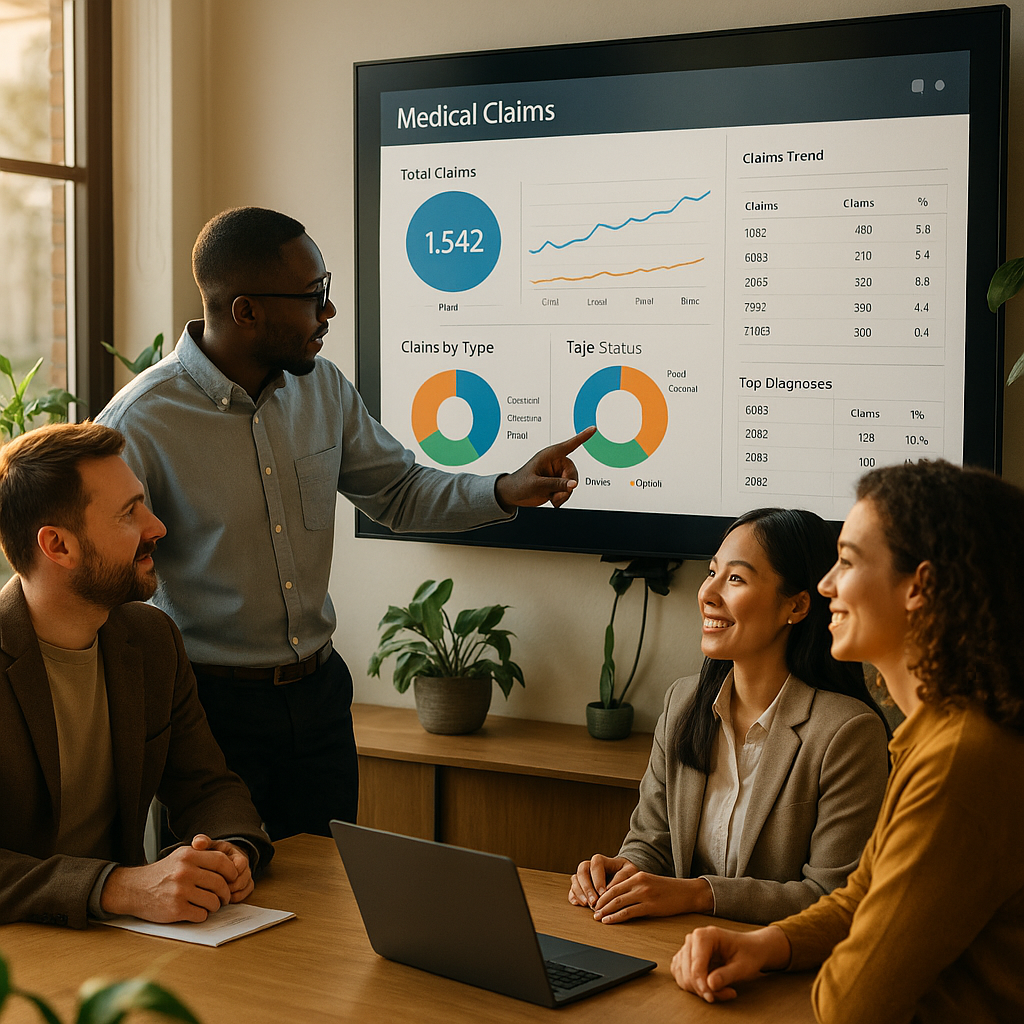

As 2025 approaches, the landscape of group benefits insurance is shifting rapidly under the influence of new technology trends, changing workforce expectations, and evolving regulatory environments. For HR managers, understanding these dynamics is crucial to offering competitive and comprehensive employee benefits group packages that attract, retain, and protect talent. Whether you’re refining existing plans or developing a new group health insurance strategy, this guide will help you navigate the options, trends, and best practices shaping the future of work. A well-designed plan is no longer just a perk: it's a foundational element of a supportive and productive workplace culture.
Group benefits are insurance plans and other perks offered collectively to a company's employees. These packages often include health, dental, vision, and life insurance, alongside various well-being programs. Unlike individual policies, group insurance pools risk and premiums across an entire workforce. This approach results in broader coverage and typically lowers costs for both the employer and the employee, making essential services more accessible. A comprehensive benefits group plan from a provider like GoKlaim, or others in the market, is designed to provide a cohesive safety net for the team. By pooling resources, employers can provide coverage options that would be costly or inaccessible for many individuals, ensuring core protection for all staff members.
Beyond traditional insurance, modern group benefits programs increasingly include wellness incentives, mental health support, flexible spending accounts, and retirement savings options. These additions reflect a growing recognition that employee well-being extends beyond medical care. A thoughtfully designed group benefits plan helps build a stronger workplace culture, improves morale, and enhances retention by showing employees that their health and long-term security matter. Employers who invest in such programs not only attract top talent but also cultivate a more engaged, loyal, and productive workforce.
Group health insurance is activated when an employer establishes a contract with an insurance carrier or a benefits provider, extending specific coverage terms to all eligible employees. The financial responsibility for premiums is often shared: the employer typically pays a significant portion, while employees contribute a smaller amount through convenient payroll deductions. This coverage frequently extends to an employee's family members, offering peace of mind. Plan options can range from basic, essential health services to robust and customized group benefits plans that cater to diverse needs. Key operational steps include defining enrollment periods for new and existing staff, setting defined contribution amounts or allowances, and managing the plan through intuitive online platforms. Employers can also add flexible layers like Health Spending Accounts (HSAs), wellness allowances, and other voluntary plans to build a more engaging and flexible benefits package.
Providing a comprehensive employee group benefits package is more than just a matter of compliance in some regions; it is a strategic business necessity. Thoughtful group benefits are proven to directly boost employee health and overall wellbeing, creating a more resilient and focused workforce. This, in turn, enhances morale, reduces stress-related turnover, and significantly improves productivity by minimizing absenteeism. In highly competitive labor markets, particularly in North America and Europe, strong corporate employee benefits packages serve as a critical differentiator for employers aiming to attract and retain top talent. Investing in benefits is an investment in the company's greatest asset: its people.
Additionally, offering employee benefits demonstrates a company’s long-term commitment to its workforce and values. It fosters trust, strengthens the employer-employee relationship, and builds a sense of stability that encourages career growth within the organization. Beyond improving retention, comprehensive benefits also reflect a positive employer brand, showing that the company prioritizes the physical, mental, and financial well-being of its people. Over time, this approach translates into higher engagement, stronger loyalty, and a healthier, more productive workplace culture.
Modern benefits platforms increasingly support employee choice through modular or cafeteria-style plans, a significant shift from the one-size-fits-all approach of the past. This flexibility means employees can select the options that are best suited to their unique family situation, health status, and lifestyle needs. For example, an employee might choose a higher level of dental coverage if they have children, while another might allocate their wellness allowance toward therapy or a gym membership. This level of personalization is made possible by employee-centric administration platforms that empower seamless selection while ensuring employers can manage budgets and meet legal constraints effectively. The ability to tailor benefits acknowledges the diverse needs of a modern workforce and increases the perceived value of the entire package.
A Health Spending Account, commonly known as an HSA, is a powerful tool that provides employees with a set allowance for qualifying medical expenses not covered by their primary insurance. These accounts offer significant tax advantages and empower staff with the flexibility to pay for a wide variety of health-related costs, such as prescriptions, specialized dental care, or vision expenses, using pre-tax dollars. This autonomy allows employees to direct funds where they need them most. Health spending account solutions (HSAs) are especially popular in countries like Canada and the US, where private health spending can be substantial. Platforms are increasingly integrating these accounts directly into group plans to enhance their value and appeal.
In today’s workplace, HSAs play an important role in promoting financial wellness and healthcare accessibility. They not only reduce the burden of unexpected medical expenses but also encourage employees to take a more active role in managing their health. For employers, offering HSA options signals a strong commitment to employee well-being and flexibility, helping attract and retain talent while supporting a healthier, more productive workforce.
Setting up a successful group benefits insurance program in 2025 demands a blend of strategic vision, regulatory knowledge, and the right technology. The process begins with a thorough assessment of employee needs through tools like surveys, focus groups, and demographic analysis. Once you understand what your team values, you can research and compare various group health insurance carriers and platform solutions. The next step is to design a balanced package with both core insurance (health, dental, vision, life) and supplemental perks such as HSAs, wellness allowances, or rewards. From there, you must set clear budgets and define employer and employee contribution levels. The final stages involve deploying administration technology for enrollment and claims, communicating the new plan transparently, and establishing a system to monitor feedback and performance for annual adaptations. Modern platforms like GoKlaim can help streamline this entire process, from administration to real-time plan adjustments.
In 2025, HR technology for benefits management is completely revolutionizing how group insurance is administered. Advanced platforms now support automated enrollment and claims processing, real-time data analytics for better decision-making, and seamless integration of personalized wellness and reward programs. These tools also help manage compliance across different jurisdictions, which is essential for global or remote workforces. Such technology makes it possible for companies of any size, from large corporations in Toronto to small and medium-sized enterprises in Illinois, to deploy custom group benefits solutions. This tailored approach helps businesses meet the unique needs of their employees, whether they are in-office, remote, or spread across continents like North America and Europe.
When comparing group benefits vs individual benefits, the advantages of group plans become clear for most employers and their teams. They offer significant cost-efficiency through risk pooling, and access is simplified without the need for extensive medical underwriting. Group plans often provide more comprehensive options for dental, vision, disability, and life insurance. Furthermore, employers benefit from streamlined payroll integration and simplified compliance management. While individual insurance can offer greater flexibility for those with highly specific needs, it typically comes at a higher premium and with stricter eligibility rules. Ultimately, choosing the right mix depends on business strategy and workforce demographics, a challenge made easier with modern, adaptable solutions.
To stay competitive and meet changing workforce expectations, organizations need benefits platforms that enhance employee engagement, streamline HR processes, and ensure compliance. The following features are essential for designing and delivering a modern employee benefits program.
A top-quality platform should make benefits enrollment easy for both employees and HR teams. A simple interface, mobile-friendly access, and clear plan comparisons allow employees to understand their options and make confident choices. For HR professionals, seamless enrollment helps reduce administrative work and minimize errors during open enrollment periods.
With evolving labor and benefits regulations, automated compliance tracking is a critical feature. Leading platforms help HR teams stay up to date with local and national laws, automatically validate employee eligibility, and ensure that policies meet legal standards. This reduces compliance risks and builds trust across the organization.
A flexible benefits platform allows companies to design programs that meet different employee needs. Customizable modules enable HR teams to adjust contribution levels, eligibility rules, and benefit combinations. Employees can then select benefits that align with their personal goals and lifestyle, leading to higher satisfaction and engagement.
Data-driven decision-making is vital in today’s HR landscape. Platforms that provide real-time analytics allow HR leaders to monitor participation, costs, and performance outcomes. These insights help organizations evaluate return on investment, improve program effectiveness, and optimize future benefits strategies.
The best employee benefits platforms connect wellness and reward initiatives to support overall employee well-being. Integrating these programs encourages participation, boosts morale, and builds a positive work culture. It also helps companies measure the impact of wellness initiatives on engagement, productivity, and retention.
Together, these features simplify administration, improve data visibility, and ensure that employees receive meaningful and accessible benefits. Platforms like GoKlaim bring these capabilities together to create smarter, more effective employee benefits experiences for modern workplaces.
When evaluating group benefits carriers or platforms, HR leaders should look beyond cost and focus on overall value. The most effective benefits plans balance affordability, flexibility, and accessibility while aligning with workforce expectations and company goals. The right plan not only meets budget requirements but also integrates smoothly with existing HR systems to reduce manual work and improve efficiency.
Comprehensive coverage is the foundation of a strong benefits plan. Companies should ensure their offerings include medical, dental, vision, and life insurance options that meet diverse employee needs. Broader coverage improves employee satisfaction and reduces the financial stress associated with unexpected health costs.
A one-size-fits-all approach is no longer effective. The best group benefits plans allow customization so that employees can select coverage that suits their lifestyle, family structure, and health priorities. Flexibility in plan design helps improve participation and retention while demonstrating a commitment to employee well-being.
Access to high-quality healthcare providers is essential for employee trust and satisfaction. A wide network of hospitals, clinics, and specialists ensures employees receive timely and reliable care. Employers should also evaluate the provider’s reputation, ease of claim processing, and customer service quality.
Cost transparency is crucial when selecting a plan. HR leaders should compare contribution models, deductibles, and out-of-pocket expenses to ensure the plan fits both the company’s financial goals and employees’ budgets. A well-balanced cost-sharing model encourages participation without putting extra strain on employees.
A modern group benefits plan should include strong digital and administrative support. Platforms that offer automated claim processing, real-time updates, and integration with HR software make benefits management simpler and more accurate. Reliable customer support also helps employees navigate their benefits easily.
By carefully assessing these factors, HR leaders can select group benefits plans that support employee health, enhance satisfaction, and drive long-term organizational performance. Platforms like GoKlaim help simplify this process by combining technology, flexibility, and transparency into one comprehensive solution.
Navigating the complexities of group benefits insurance in 2025 requires HR managers to blend a deep knowledge of evolving plan structures, regional regulations, and employee expectations with the latest HR technology. An effective employee wellness platform can enable smarter choices and future-proof program administration, supporting both core insurance needs and innovative wellbeing solutions. By investing in comprehensive, flexible, and strategically designed employee benefits, HR leaders can build thriving workplace cultures, boost recruitment and retention, and secure their organization’s place in the competitive global market. The right benefits strategy is a powerful tool for fostering a workplace where employees feel valued, protected, and empowered to do their best work.
Group benefits are collective insurance and wellbeing programs that employers offer to their workforce. These typically cover healthcare, dental, vision, life insurance, and additional perks designed to support overall employee wellness.
Group health insurance is organized and primarily funded by an employer, with coverage terms and premiums shared across all eligible employees. Enrollment and ongoing management are typically handled through a centralized administrative platform.
Employee benefits are essential for attracting and retaining talent because they enhance employee wellbeing, drive retention, and improve an employer's brand reputation. They show that a company is invested in its people's health and security.
Yes, most contemporary benefit plans allow employees to select from a range of options. This flexibility lets them choose different levels of coverage or allocate funds to wellness perks that best suit their personal and family needs.
A health spending account (HSA) provides employees with a tax-advantaged fund to pay for eligible healthcare expenses that are not covered by their standard insurance plan, offering greater financial flexibility.
The process involves assessing employee needs, selecting providers, designing coverage tiers, setting budgets, deploying administration technology, clearly communicating the options, and continuously monitoring and evolving the plan based on feedback and results.
The taxability of wellness allowance programs depends on regional regulations. In many areas, they may be considered a taxable benefit unless they cover expenses that qualify as medical necessities. It is best to consult local tax guidance for details.
An employee rewards program software fosters greater engagement by recognizing employee achievements and encouraging positive behaviors, which in turn increases job satisfaction and lowers turnover rates.
For most people, group insurance is more cost-effective and accessible. Individual insurance may be suitable for those with unique needs or who are not eligible for a group plan, but it is often more expensive and comes with more restrictions.
Group benefits are typically managed through modern HR platforms that handle everything from enrollment and eligibility verification to claims processing, employee communications, and regulatory compliance, automating many key tasks.