
In today's fast-paced digital world, the landscape of employee benefits and claims is undergoing a significant transformation. The days of cumbersome paperwork, lengthy phone calls, and opaque processes are quickly being replaced by a new standard of efficiency and clarity. Modern employees now expect the ability to file a claim with the same ease and confidence they experience with other digital services, demanding real-time updates and transparent insurance claims processes.
This fundamental shift is compelling organizations to rethink their approach, turning what was once a purely administrative function into a strategic opportunity to build employee trust, enhance job satisfaction, and drive organizational efficiency. Companies across North America, from the bustling hubs of Toronto and Alberta to cities all over the US, are recognizing the urgent need for systems that are fast, simple, and transparent.
Innovative platforms are at the forefront of this movement, offering powerful automation, intuitive user interfaces, and actionable data insights. As the scope of employee benefits continues to expand to include things like health spending account claims and wellness spending account claims, the need to modernize the entire claims ecosystem has become more critical than ever.
An insurance claim is a formal request made by a policyholder to an insurer, seeking compensation or reimbursement for a covered event or expense. Within the context of employee benefits, this can encompass a wide range of submissions, such as those for medical treatments, dental procedures, wellness activities, or reimbursements from a specialized spending account.
When an employee submits a claim, they trigger a verification process where the provider confirms the expense's eligibility and ensures all documentation complies with the policy terms. An effective and streamlined claims management system ensures that this process is handled fairly and promptly, building a foundation of trust between the employee, the employer, and the insurer. This is crucial for maintaining a positive employee experience and ensuring the benefits program delivers on its promises.
For decades, the traditional insurance claims process was notoriously difficult, characterized by mountains of paperwork, repetitive requests for documentation, and frustratingly slow resolution times. Employees often found themselves in a state of uncertainty, with little to no visibility into the status of their submission and inconsistent communication from providers.
This antiquated model was fraught with challenges, including a heavy reliance on manual data entry that increased the likelihood of human error and slowed down the validation process. Communication was often fragmented, leading to missed deadlines and widespread confusion among employees, HR teams, and adjusters.
The lack of transparency created a significant trust deficit, as employees were often left in the dark about why a claim was delayed or denied. Furthermore, these paper-based systems were not only inefficient but also more susceptible to fraud and inaccurate reporting, creating additional risks for organizations.
The push for a digital transformation in the insurance industry has completely revolutionized the claims landscape. Modern solutions leverage automation and sophisticated digital workflows to streamline every phase of the process, from the initial submission to final payment. With digital claims management, employees can submit their claims online at any time and from any device, complete with electronically captured documentation.
This eliminates the need for physical forms and manual scanning, reducing both time and the risk of errors. Once submitted, claims are intelligently routed through automated workflows that expedite reviews and decisions. Throughout the process, real-time status updates and notifications keep everyone informed, creating a transparent and engaging experience. This level of clarity not only boosts employee satisfaction but also reinforces their trust in the benefits program. GoKlaim, along with other platforms, provides a powerful example of this, offering a user-friendly interface for organizations in Canada and the US to modernize their claims intake and reimbursement.
The modern insurance claims journey is designed to be intuitive and user-centric. It begins with the employee gathering the necessary documentation, such as receipts and invoices for an eligible benefit. Using a digital platform or mobile app, they can then fill out the insurance claim form and upload scanned copies or photos of their supporting files. Immediately upon submission, a unique insurance claim number is generated, allowing for easy tracking. From there, the system's automation takes over, checking the data for accuracy, verifying eligibility against policy rules, and routing the claim for approval.
At each stage, the employee receives instant notifications, whether their claim is approved or if additional information is needed. Once approved, funds are delivered swiftly through direct deposit, completing a cycle that is both efficient and transparent. This automated approach ensures that missing information is flagged early and errors are minimized, benefiting both employees and HR teams.
To illustrate the difference, consider an employee in Ontario filing a health spending account claim. With a modern digital platform, the experience is seamless. The employee logs into their benefits portal, selects the appropriate spending account, and fills out a simple, guided form. They then upload a photo of the receipt from their dental appointment or prescription purchase directly from their phone.
As soon as the claim is submitted, an insurance claim number is assigned for tracking. Because the system can automatically verify that the documentation is complete and the expense aligns with the account's parameters, approval is often granted within a matter of hours or days, a stark contrast to the weeks it might take with a manual review. The funds are then reimbursed electronically, and the employee is kept informed with status updates at every step, creating a process that is not only faster but also more educational and empowering.
Insurance claim automation lies at the heart of achieving the speed, accuracy, and transparency that today’s workforce demands. Leading claims processing software accomplishes this through a variety of advanced features. These systems use automated data capture to extract relevant information from submitted documents, which dramatically reduces manual entry and the potential for costly errors.
Standardized workflows ensure that every claim follows a consistent, compliant process, eliminating confusion across different teams and departments. Furthermore, advanced algorithms provide real-time insurance claim fraud detection by flagging suspicious patterns that might indicate inaccurate or intentionally misleading information. Every action and decision is meticulously logged in an audit trail, ensuring full compliance and easy reporting. Integrated communication tools also keep employees informed via email, app notifications, or SMS, enhancing clarity and reducing the need for manual follow-ups. This is where platforms like GoKlaim truly shine, offering these innovative features to organizations across North America.
When you compare digital and manual claims systems, the difference in employee experience is night and day. The traditional manual process was often a source of frustration, involving physical forms, slow review cycles, and a complete lack of visibility. An employee submitting a claim might wait weeks for an update, with their only recourse being a time-consuming phone call.
In stark contrast, modern digital platforms have revolutionized this cycle by putting the user first. With automation, an employee can submit a claim in minutes, with intelligent systems providing instant feedback if information is missing. The review process is handled swiftly and transparently, thanks to smart workflows and clear audit trails. Ultimately, digital claims offer superior speed, simplicity, and accuracy, while advanced analytics help identify and prevent fraud. This transforms the claims process from a frustrating chore into a supportive and empowering experience for employees everywhere.
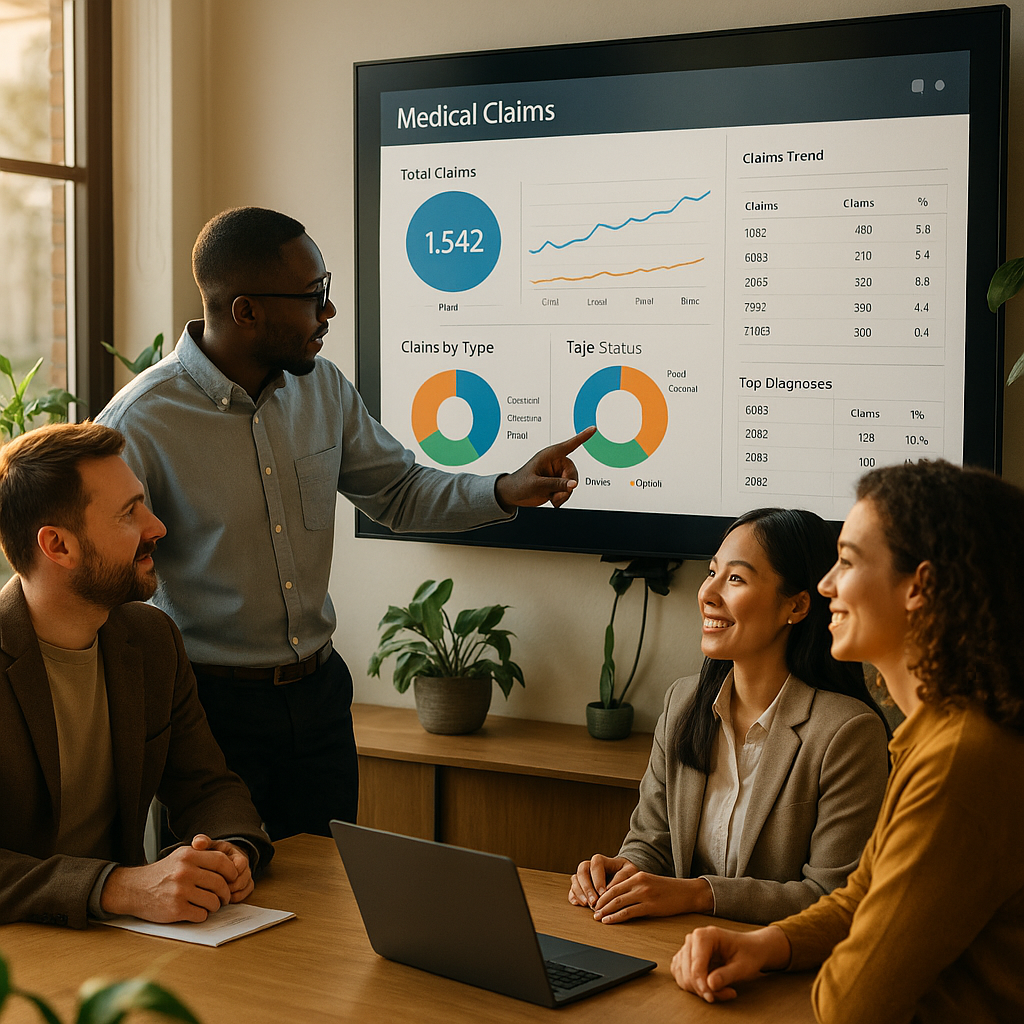
Effective employee benefits claims management is essential for HR leaders who want to deliver exceptional value while controlling costs and ensuring regulatory compliance. A key component of a modern system is centralized case management, which allows all claims, from health to wellness, to be tracked in a unified dashboard for easy oversight. This is complemented by customizable workflows that can be tailored to specific benefit types, regional regulations, and internal company policies.
Additionally, robust analytics and insights help organizations identify trends in claims data, address recurring issues, and optimize their benefits offerings over time. GoKlaim, for instance, enables organizations to meet these needs with a scalable solution designed for the diverse workforces in both Canada and the US, bringing a new level of efficiency to the entire process.
While both wellness spending accounts (WSAs) and health spending accounts (HSAs) are designed to support employee well-being, their claims processes and eligible expenses have important distinctions. A wellness spending account claim is typically for items that support a healthy lifestyle, such as gym memberships, mindfulness apps, or ergonomic office equipment.
These claims are validated against company-defined wellness rules and generally require less medical documentation. On the other hand, a health spending account claim is for medical, dental, and prescription reimbursements. This claims processing is subject to strict tax and regulatory guidelines, and often requires detailed receipts with practitioner information. Modern platforms are designed to handle both types of accounts, providing clear guidance for employees while automating compliance and audit trails for HR.
When searching for the right platform, it's crucial to look for employee benefits claims tools that provide a comprehensive suite of features. The best systems offer:
Together, these capabilities create a consistent, compliant, and user-friendly experience that reduces manual effort while improving outcomes for employees and HR teams.
Navigating the claims landscape requires an understanding of regional nuances. For instance, insurance claims Canada face unique requirements, especially for health spending accounts in provinces like Ontario and Alberta. Similarly, companies in the US must contend with a complex web of healthcare regulations and diverse employee needs.
A flexible and adaptable claims management platform is essential to handle this complexity. The right solution should support compliance for both Canadian and American organizations, making it possible to manage benefits efficiently and consistently across different geographies. This ensures that all employees receive a seamless and equitable experience, regardless of where they are located.
To ensure a smooth claims experience, employees should keep the following tips in mind:
Following these practices helps minimize processing delays, improves approval rates, and gives employees clearer visibility into each stage of their reimbursement.
The modernization of insurance and employee benefits claims marks a turning point for organizations striving to enhance trust, transparency, and employee satisfaction. By replacing outdated manual systems with automated, digital solutions, companies can not only reduce administrative burdens but also deliver faster, more accurate results. Empowering employees through streamlined processes and clear communication strengthens engagement and builds lasting confidence in workplace benefits. Adopting innovative claims management tools is not just a step forward in technology; it is an investment in people, culture, and long-term organizational success.
Ready to simplify your claims process?
Explore smarter, faster, and more transparent benefits management at GoKlaim
An insurance claim is a formal request for payment submitted to an insurer for a covered loss or benefit, such as a medical expense or wellness reimbursement.
You submit your claim and supporting documents online through a portal or app. The system then automates the review, verification, and payment process, providing you with real-time status updates.
With a digital platform, you can check your claim status by logging into the online portal or mobile app using your unique insurance claim number.
Common reasons for denial include submitting incomplete documentation, claiming an ineligible expense, exceeding policy limits, or missing the submission deadline.
To speed up the process, use a digital submission platform, ensure all your documentation is complete and accurate, and respond quickly to any requests for more information.
Typically, you will need to provide detailed receipts that include the date of service, the name of the provider, a description of the service or product, and proof of payment.
After you file, your claim is reviewed for eligibility and accuracy. You will then receive a notification of its approval, denial, or a request for additional information before payment is processed.
In many cases, yes. If your claim was denied due to missing or incorrect information, you can often reopen it by providing the necessary documentation within a specified timeframe.
A Health Spending Account (HSA) claim is for tax-eligible medical expenses, while a Wellness Spending Account (WSA) claim is for a broader range of wellness-related activities defined by the employer.
Yes, modern insurance claim automation is highly reliable. It is designed to reduce human error, accelerate processing times, and provide a more transparent and consistent experience for everyone involved.