
In 2026, employee benefits have evolved far beyond basic health coverage and time off, becoming a holistic ecosystem that supports every aspect of an employee’s well-being and professional success. Modern organizations understand that the right employee benefits packages, which include comprehensive employee insurance, wellness programs, and flexible perks, are a critical factor in talent retention, satisfaction, and productivity. With competition for skilled professionals at an all-time high, employers are also leaning on digital employee benefits platforms that enable customizable choices and seamless administration for small businesses and global enterprises alike.
This guide breaks down the core components, emerging trends, and technology essentials for building a winning package in 2026. An employee benefits package is a set of non-wage compensations provided in addition to salary, traditionally health, dental, vision, retirement, and paid leave, now expanded with wellness initiatives, flexible spending accounts, rewards, and digital tools that simplify HR processes and decision-making.
Health coverage remains the cornerstone of any modern program. Leading employers combine major medical for hospitalization and routine care with vision and dental coverage, plus life and disability protection. In markets such as Canada and the USA, many organizations further reduce out-of-pocket costs by subsidizing premiums or offering employer-paid health benefits that demonstrate a strong commitment to employee welfare.
Financial security extends to retirement through 401(k), 403(b), or RRSP plans, often paired with employer matching to accelerate wealth-building. Today, 72% of private sector workers have access to these plans, making them a baseline expectation across industries, and many companies complement them with education on budgeting, debt, and investing.
Flexibility and work-life balance are equally essential. Generous paid time off (PTO) for vacation, illness, and personal needs helps prevent burnout, while paid parental leave, adoption assistance, and compassionate care are becoming standard. Remote and hybrid schedules with flexible start and end times empower people to align work with life and sustain performance over the long term.
Holistic initiatives now differentiate top employers. Mental health services, digital therapy apps, fitness subsidies, and nutrition support are increasingly common, and many organizations add customizable employee benefits like lifestyle spending accounts and wellness allowances so employees can direct funds to what matters most. Modern employee rewards programs blend monetary incentives with recognition to reinforce culture and engagement.
AI-driven platforms are transforming the way benefits are managed. Automated enrollment, payroll integration, compliance tracking, and self-serve portals give employees real-time visibility into their benefits and expenses.
Customizable options, including modular insurance, lifestyle accounts, and localized perks, help employers support diverse workforce needs while managing costs. This is especially important for global teams that must follow different regional guidelines and expectations.
Many leading organizations use a core-and-flex model to balance universal protections with personalization. This structure standardizes coverage where it matters and gives employees the latitude to tailor their experience, improving perceived value and keeping programs compliant and cost-effective across locations.
Core benefits include mandatory or universal coverages offered to all employees, regardless of role or seniority. These usually cover the essentials that protect health, income, and long-term security. Common examples include:
These benefits create a strong baseline and demonstrate a company’s commitment to employee welfare.
Flexible perks allow employees to select additional benefits based on personal needs. This customization ensures that the package feels relevant and valuable to individuals with diverse preferences. Examples include:
Flexible perks increase satisfaction by giving employees meaningful choices.
Allowances provide employees with earmarked funds for specific categories, offering both structure and freedom. These allowances can be used at the employee’s discretion within the approved category. Common types include:
Allowances are especially popular because they are easy to administer and offer employees direct, practical benefits.
When implemented well, this approach maximizes both equity and choice: everyone gets foundational protection, while individuals direct employer dollars toward the options they value most.
A Health Spending Account (HSA) allows employees to use pre-tax dollars for eligible healthcare expenses such as prescriptions, dental care, and vision services. This creates meaningful tax savings.
A Wellness Spending Account (WSA) supports broader wellness needs such as fitness, mental health, and nutrition. These accounts are not always tax-free, but they offer much more flexibility.
Offering both options helps employees optimize savings while supporting their personal well-being priorities.
Well-designed programs measurably boost retention, engagement, and productivity by supporting health, financial stability, and work-life balance. Transparent communication, accessible tools, and continuous improvements help employees use their coverage effectively, and a strategic approach to workplace wellness programs, from needs assessments to integrated data, keeps initiatives relevant and valued.
In today’s competitive market, strong employee benefits also play a key role in shaping company culture and employer branding. When employees feel supported through thoughtful insurance options, flexible perks, and wellness resources, they develop a deeper sense of trust and loyalty. This positive perception not only reduces turnover but also attracts high-quality talent who value organizations that invest in their well-being. Over time, a well-rounded benefits strategy becomes a strategic advantage, helping companies maintain stability, strengthen morale, and create a workplace where people can perform at their best.
Selecting the right employee benefits platform means finding a solution that offers strong features while remaining easy for employees and HR teams to use. The goal is to reduce administrative work, support different workforce needs, and give employees clear access to their benefits.
A good platform should allow employers to tailor benefits to different groups and locations. Modular design makes it easier to combine health plans, spending accounts, allowances, and other perks based on what each workforce segment needs. This flexibility ensures that the benefits package remains relevant, scalable, and cost-effective.
Strong platforms connect smoothly with existing HR and payroll systems. Automated compliance checks, digital enrollment flows, and centralized reporting help organizations manage everything in one place. This reduces manual tasks, prevents errors, and makes the entire process more efficient.
Employees should be able to view, understand, and use their benefits with ease. A platform with a clean interface and mobile access allows employees to submit claims, check balances, and review coverage anytime. This improves engagement and reduces dependency on HR for basic questions.
Reliable support is essential for addressing issues quickly. A responsive customer service team ensures employees receive timely help when they have questions about coverage, claims, or platform features. This leads to a smoother experience and better satisfaction overall.
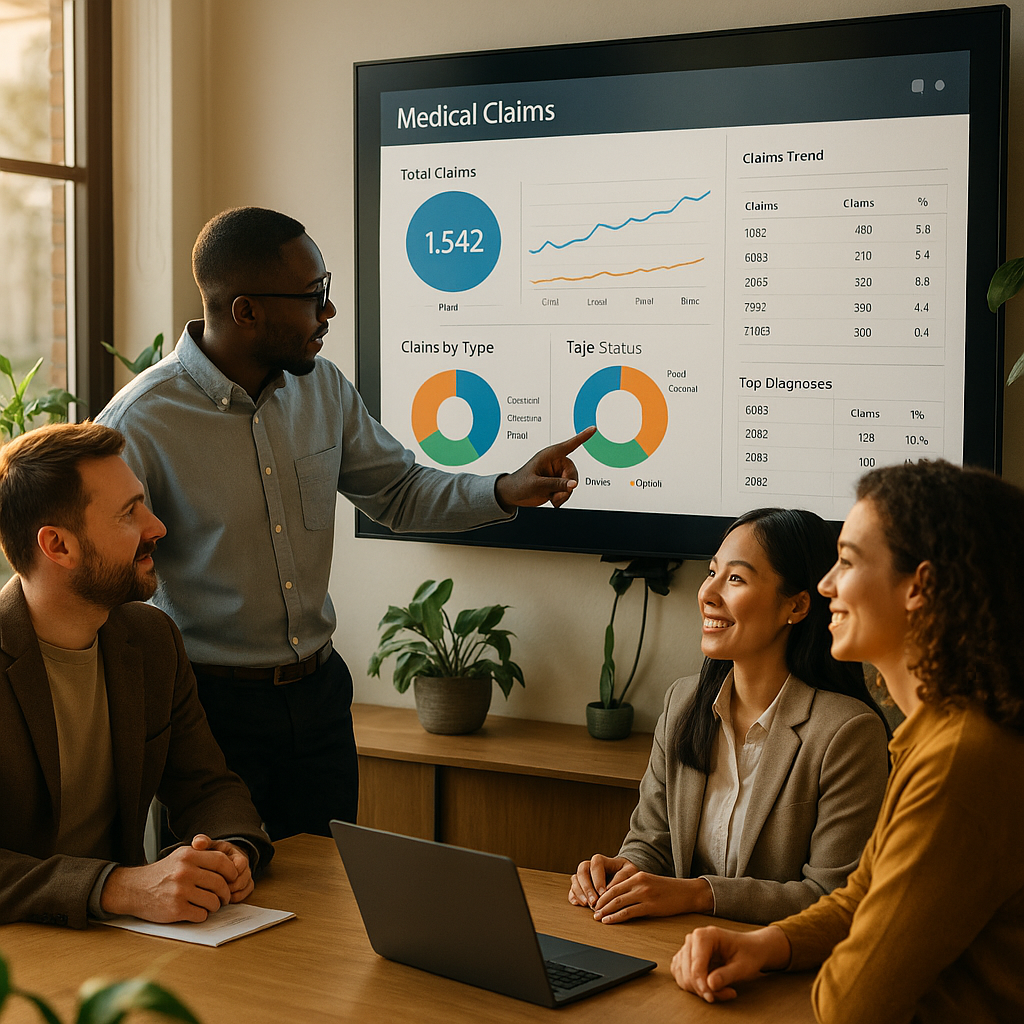
Data-driven features help employers understand how their benefits are being used. Real-time insights into spending patterns and participation rates make it easier to refine offerings and budget effectively. These analytics support more strategic decision-making and show which benefits employees find most valuable.
Before choosing a platform, employers should review demos, test workflows, examine security measures, and run pilot programs when possible. It is important to ensure the solution can support multi-location teams, adapt to growth, and maintain compliance across regions without adding complexity.
A competitive benefits package in 2026 brings together core insurance, flexible digital perks, holistic wellness, and streamlined administration. With customizable accounts, strong technology, and adaptable solutions, employers can provide the support today’s workforce expects and build workplaces where people can thrive.
Empower your team with flexible, modern benefits. Explore how GoKlaim simplifies claims, wellness reimbursements, and employee benefits management.
Empower your team with flexible, modern benefits.
Explore how GoKlaim simplifies claims, wellness reimbursements, and employee benefits management.
An employee benefits package is a set of non-wage compensations, like insurance, retirement plans, and wellness perks, that complement an employee’s salary and support their health, financial security, and daily well-being.
A health spending account (HSA) lets employees set aside pre-tax funds to pay for eligible healthcare expenses such as medications, dental care, and vision services, reducing their taxable income and out-of-pocket costs.
A wellness allowance is an employer-provided fund that employees can use for various wellness-related expenses, including gym memberships, mental health services, nutrition programs, or other activities that support holistic well-being.
Yes, many employers now offer flexible benefits that let employees choose from a customizable menu of perks and insurance options to best fit their individual needs and lifestyle.
Employee benefits are essential for attracting and retaining talent, increasing engagement, and supporting productivity, since they address health, financial security, and work-life balance.
Employee rewards programs use monetary incentives like bonuses or non-monetary recognition such as certificates and peer nominations to motivate and engage staff based on performance or participation.
HSAs offer tax-advantaged savings on healthcare expenses, while WSAs give employees flexible funds for diverse wellness needs, allowing a more personalized and holistic approach to benefits.
Look for platforms that offer modular customization, automated administration, intuitive employee access, strong compliance features, comprehensive reporting, and adaptable solutions for different locations.
Employee insurance requirements vary by location and industry, but most competitive employers offer at least basic health, life, and disability coverage, especially in major markets like Canada and the USA.
Common employee benefits in Canada include health and dental insurance, retirement savings plans, paid leave, lifestyle and wellness spending accounts, and flexible work arrangements like remote or hybrid schedules.