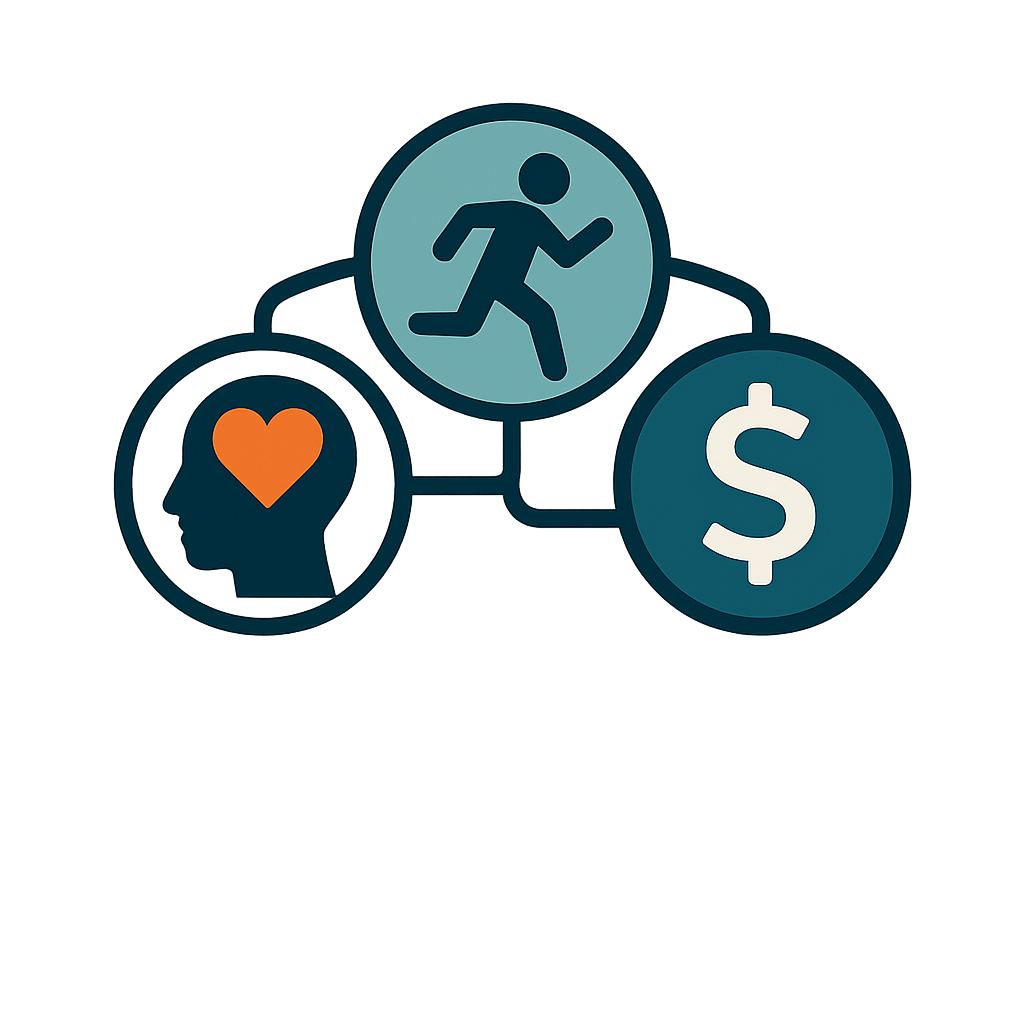

In 2025, the landscape of workplace wellness is more dynamic and crucial than ever before. Organizations worldwide are embracing comprehensive initiatives to foster healthier, happier, and more productive employees. As wellness at work becomes a core element of corporate strategy, building effective employee wellness programs is no longer a bonus: it's a necessity for sustainable business growth, competitive talent acquisition, and organizational resilience. This guide provides an up-to-date, strategic look at designing and implementing successful workplace wellbeing strategies for the year ahead, drawing upon the latest research to empower leaders in crafting solutions that support every facet of workforce health.
Modern workplace wellness programs now extend far beyond traditional fitness or healthcare offerings. They integrate mental health resources, financial well-being tools, flexible work arrangements, and even lifestyle benefits that address the holistic needs of employees. Companies are increasingly leveraging data and technology to personalize wellness initiatives, ensuring that each program resonates with individual preferences and challenges. Platforms like GoKlaim are at the forefront of this transformation, helping organizations design tailored wellness solutions that align with business objectives while nurturing employee engagement. As the boundaries between work and life continue to blur, these programs play a vital role in promoting balance, reducing burnout, and building a culture where employees can thrive both personally and professionally.
Workplace wellness refers to the collection of programs, policies, and initiatives organizations use to support and enhance the physical, mental, and emotional health of their workforce. These efforts go beyond basic healthcare, aiming to create a culture of wellbeing by addressing everything from nutrition and exercise to mental health, financial stability, and work-life balance. Prioritizing workforce wellness isn’t just altruistic; it’s a business imperative. Multiple studies, including recent workplace wellness statistics, show that organizations with robust employee health and wellness programs experience increased productivity, reduced absenteeism, lower healthcare costs, and higher morale. As employee expectations rise, companies that invest in these strategies not only see improved organizational performance but also position themselves as employers of choice.
A strong workplace wellness strategy also helps build trust and strengthen employer-employee relationships. When organizations demonstrate genuine care for their employees’ overall well-being, it fosters a sense of belonging and loyalty that goes beyond compensation. Wellness initiatives such as mindfulness programs, employee wellness reimbursements, and mental health days are increasingly viewed as essential components of modern company culture. Additionally, integrating these programs with digital health platforms like GoKlaim allows employers to track participation, measure impact, and continuously improve offerings based on data-driven insights. In 2025 and beyond, investing in workplace wellness is not just about promoting health, it is about creating an environment where employees feel valued, supported, and empowered to perform at their best.
To develop a truly effective strategy, it’s essential to understand the forces shaping corporate wellness initiatives in 2025. Mental health has shifted from a peripheral concern to a core business priority. Modern organizations are embedding workplace mental health programs into every level of operation, offering access to licensed therapists, mindfulness apps, mental health days, and psychological safety initiatives. This focus not only helps prevent workplace burnout but also supports resilience and sustained performance. Furthermore, companies are prioritizing brain health through cognitive wellness and neuro-inclusive workspaces.
Flexibility and work-life balance have also become non-negotiable. Employees now demand flexible hours and policies like “no meeting days” to reduce stress. A one-size-fits-all approach is no longer effective; the best solutions offer personalized options tailored to individual needs, such as mental health resources, fitness challenges, or financial wellness coaching. Rising economic pressures have made financial support a leading concern, and programs providing budget counseling or retirement planning can significantly decrease stress and improve morale. Technology is also key, with digital platforms and workplace wellness apps like GoKlaim facilitating engagement and making benefits accessible. This all culminates in a more holistic and preventative approach, addressing the "whole person" through integrated physical, mental, and social initiatives.
Crafting a successful workplace health management plan for 2025 requires weaving together data-driven insights, flexibility, and genuine care. Success starts at the top, so securing leadership buy-in is crucial for embedding wellness into the company culture. Aligning wellness policies with business goals and training managers in these principles establishes a solid foundation. It's also vital to understand your workforce's unique challenges. Conduct a needs assessment using surveys and focus groups to gather input, then set clear, measurable goals like reducing stress-related absences or increasing program participation. Establish metrics to track progress, such as employee engagement rates or improvements in mental health markers, to ensure your initiatives are making a real impact.
A culture-first approach is more effective than simply offering programs. To foster a true wellness culture, embed wellbeing into everyday workflows. This can be achieved by:
Providing designated wellness spaces allows employees to decompress, meditate, or simply take a few moments of calm during demanding workdays. These areas promote mental clarity and emotional balance, helping employees return to tasks refreshed and focused.
Encouraging community within the workplace strengthens collaboration, reduces stress, and builds a sense of belonging. Activities such as wellness challenges, team outings, or shared interest clubs help employees engage with one another beyond their regular work responsibilities, improving morale and team spirit.
Short, frequent breaks for stretching, walking, or breathing exercises have been proven to boost concentration and reduce fatigue. Employers can support this by promoting movement-friendly initiatives like step challenges, adjustable workstations, or scheduled activity reminders through wellness platforms.
Supporting cognitive health through initiatives like mindfulness workshops, sleep awareness sessions, and nutrition education empowers employees to maintain long-term well-being. Preventative measures not only reduce absenteeism but also help employees perform more efficiently and creatively.
When wellness becomes part of the organizational ethos, employees are more likely to participate and thrive. Leveraging technology through digital platforms, wellness apps, and telemedicine services can further increase participation and accountability. Finally, recognizing and rewarding participation is a powerful motivator. Acknowledge both effort and outcomes with meaningful incentives such as extra time off, wellness-related gifts, or public recognition. This reinforces the value of wellness and encourages sustained engagement in your programs.
With a variety of corporate wellness programs available, including platforms from GoKlaim, Wellhub, and others, identifying the right fit can be challenging. The most impactful solutions take a whole-person approach, offering flexible and customizable options that address physical activity, mental wellbeing, nutrition, and financial health. For instance, top platforms empower companies to curate benefits aligned with employee needs, supporting diverse lifestyles across various locations. Traditional benefits often focus solely on insurance, but modern holistic workplace wellness platforms integrate daily engagement tools, personalized coaching, and on-demand resources, which significantly enhances participation and delivers measurable outcomes. While not every program suits every company, robust digital solutions provide the year-round support, actionable data analytics, and seamless user experiences necessary for a modern, distributed workforce.
Launching a workplace wellness program in 2025 should be seen as an evolving process. Successful companies treat wellness as an agile initiative, continuously refining it as workforce needs change. The first step in implementation is to assess organizational and employee health priorities through surveys and open conversations. Use these insights to design customized, diverse wellness offerings with measurable goals. Once the program is designed, communicate it clearly and consistently to drive awareness and participation.
To get early traction, focus on a few foundational actions that create momentum and demonstrate value quickly:
Providing ongoing education, training, and accessible digital resources is essential for long-term success. Finally, establish a feedback loop to gather input, measure outcomes, and iterate on your programs for continuous improvement. Key metrics to track include changes in absenteeism, turnover, and healthcare expenses, along with participation rates and employee feedback on wellbeing and job satisfaction. Using these insights allows leaders to refine their strategy and maximize both business and employee benefits.
In the evolving world of worker wellness for 2025, successful organizations treat wellbeing not as a checkbox, but as a strategic, people-driven priority. Companies across the globe are recognizing that localized, culturally competent strategies are key to adoption. By embedding holistic, flexible, and technology-enabled solutions anchored in measurable goals, organizations can foster workplaces where every employee has the opportunity to thrive. With the right strategy and a willingness to iterate, you can create a healthier, more resilient workforce ready to meet the challenges of tomorrow.
Build a healthier, happier workplace with GoKlaim.
Workplace wellness encompasses programs that promote employee health and wellbeing. It's important because it prevents burnout, reduces absenteeism, boosts productivity, and helps organizations attract and retain top talent.
Wellness at work supports better physical and mental health, reduces stress, and increases job satisfaction, leading to higher engagement and a better work-life balance.
Start by assessing employee needs and setting clear goals. Design a mix of flexible, personalized offerings, foster a supportive culture, and use regular feedback and data to refine your solutions over time.
Yes, comprehensive strategies that include robust mental health support, flexible work policies, and stress management resources can significantly prevent workplace burnout and improve employee resilience.
The main trends include prioritizing mental health, offering flexible and remote work arrangements, providing personalized wellness programs, supporting financial wellness, and using technology-enabled solutions.
These accounts provide employees with a set amount of funds to spend on a wide range of wellness-related products and services, offering flexibility and personalization.
Examples include mindfulness workshops, fitness challenges, nutrition coaching, mental health days, financial planning seminars, and access to telemedicine services.
Use metrics like participation rates, employee feedback surveys, health outcomes, and business KPIs such as employee turnover, absenteeism, and healthcare costs to assess impact.
Effective wellness initiatives that encourage preventative care often lead to better long-term health outcomes, which can lower insurance claims and reduce overall healthcare spending.
Reward programs incentivize participation and reinforce the value of wellness, which drives greater engagement and helps build long-term healthy habits among employees.